Hey there!
We’re at the peak of summer, and there’s a good chance that right now you’re either on vacation, or you’re planning one. I’ll share some ideas below that will help you come away from your next trip with great pictures that are authentic moments. Wether you’re chasing envy from a summer crush on instagram, or you’re having a slideshow day in the old folks home 50 years from now, you can feel proud of what you’ve captured.
All of the photos in this post are from my phone’s camera — because you likely have one too!
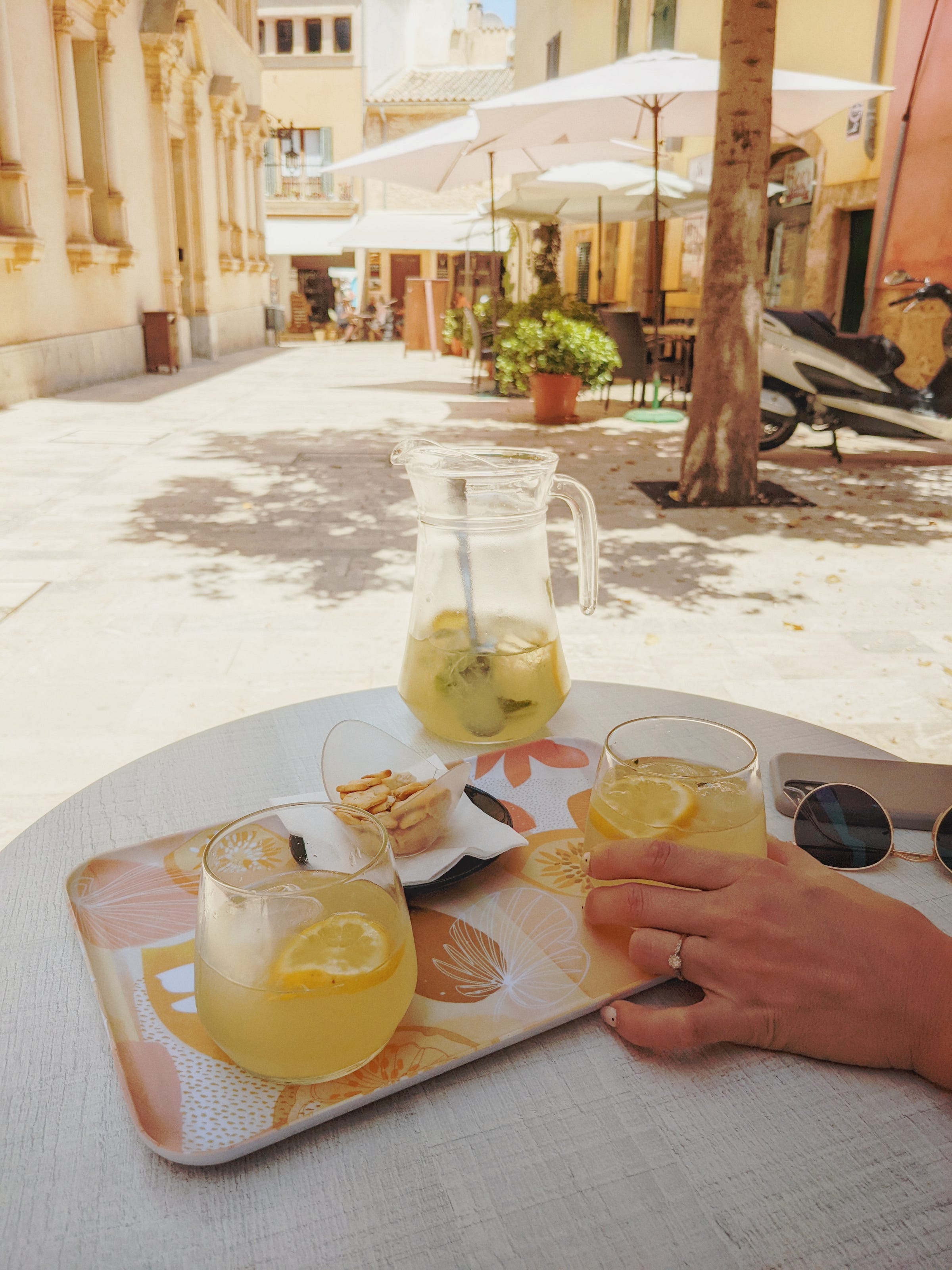
Little Things, Big Memories
It seems counter intuitive, but I guarantee you that if you think back on some of the best trips you’ve had, you’ll struggle to remember the itinerary of the grandest events — but you will recall the smell of the bakery you passed each morning on the way to the café. In the same way, it’s not a good use of your time to try to capture huge, overarching photo sets that document every minute of your experiences. Even if you could, if we’re honest with each other, no one wants to see everything you did anyway - and I believe that ‘no one’ includes ourselves, too. When’s the last time you scrolled through a thousand photos? Boring. Gauche. Uncouth.
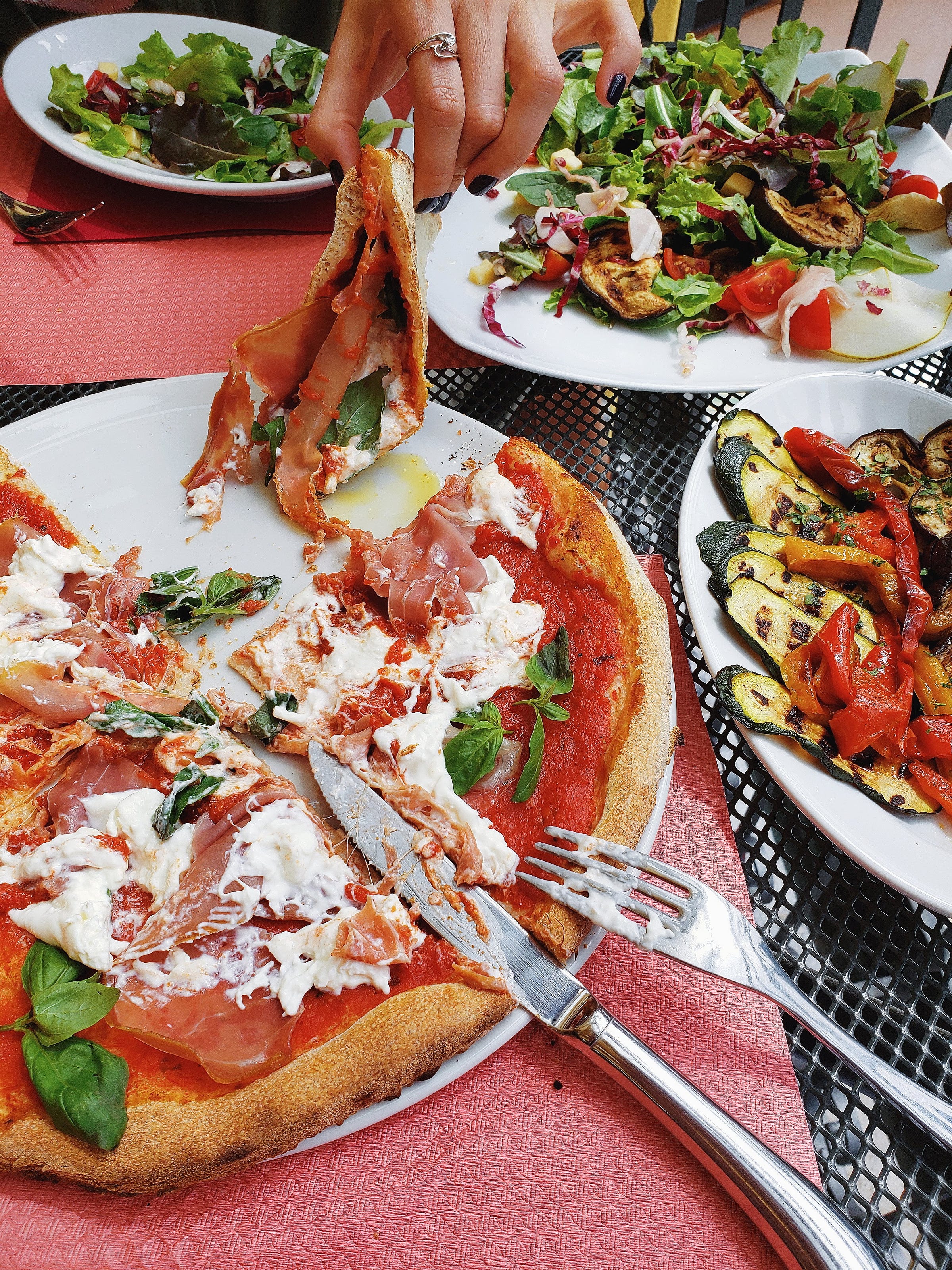
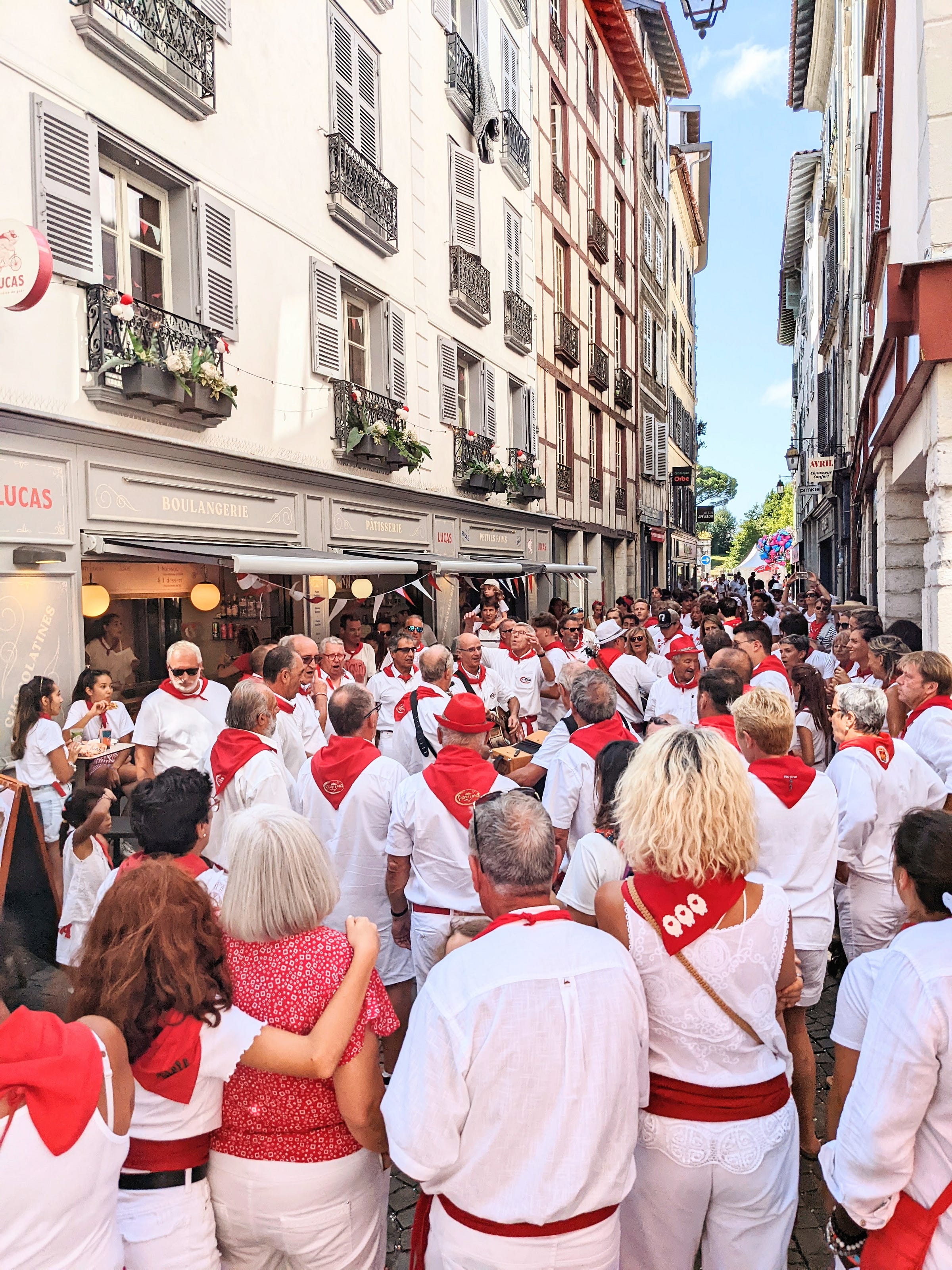
Even if they don’t seem too special, the little things that catch your attention are great opportunities to efficiently capture something you’re likely to naturally recall. For me, those ‘little things’ tend to be either food or people — I’ve learned by now that if I want to evoke good memories from a whole day, I just need one picture of the special meal that made it perfect, or the locals that caught my eye. For my partner, it’s all about the architecture and the culture. If you can get a few little things into one photo, like in the lemonade example above, whew! You’re doing great.
Time and Place Really Matters
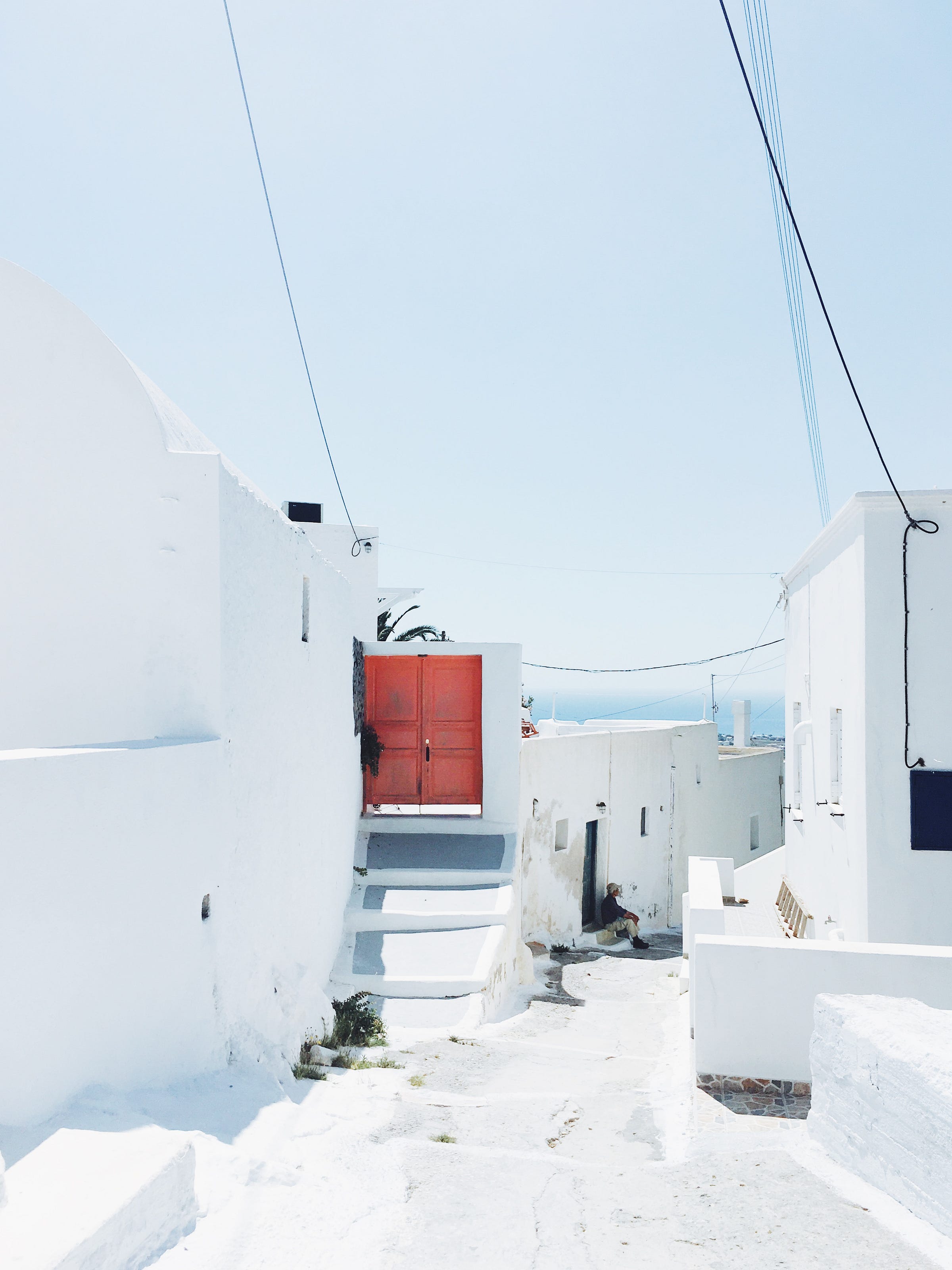
The concept of a ‘golden hour’ might be familiar to you, wether or not you know it by name. It’s those early-morning or late-afternoon moments when the sunlight is beautifully warm and hits things at a low angle. The middle of the day is a tough time to take pictures for anyone — the direct sunlight casts strong shadows on everything, and most people tend to dislike the harshness of the image as a result. Do you remember that episode of ‘Seinfeld’ where Jerry’s date either looks good or bad depending on the lighting of the restaurant? It’s exactly like that. (Note: pushing the boundaries of contrast can make striking images too, but it’s generally a practice used in the context of fine art.)
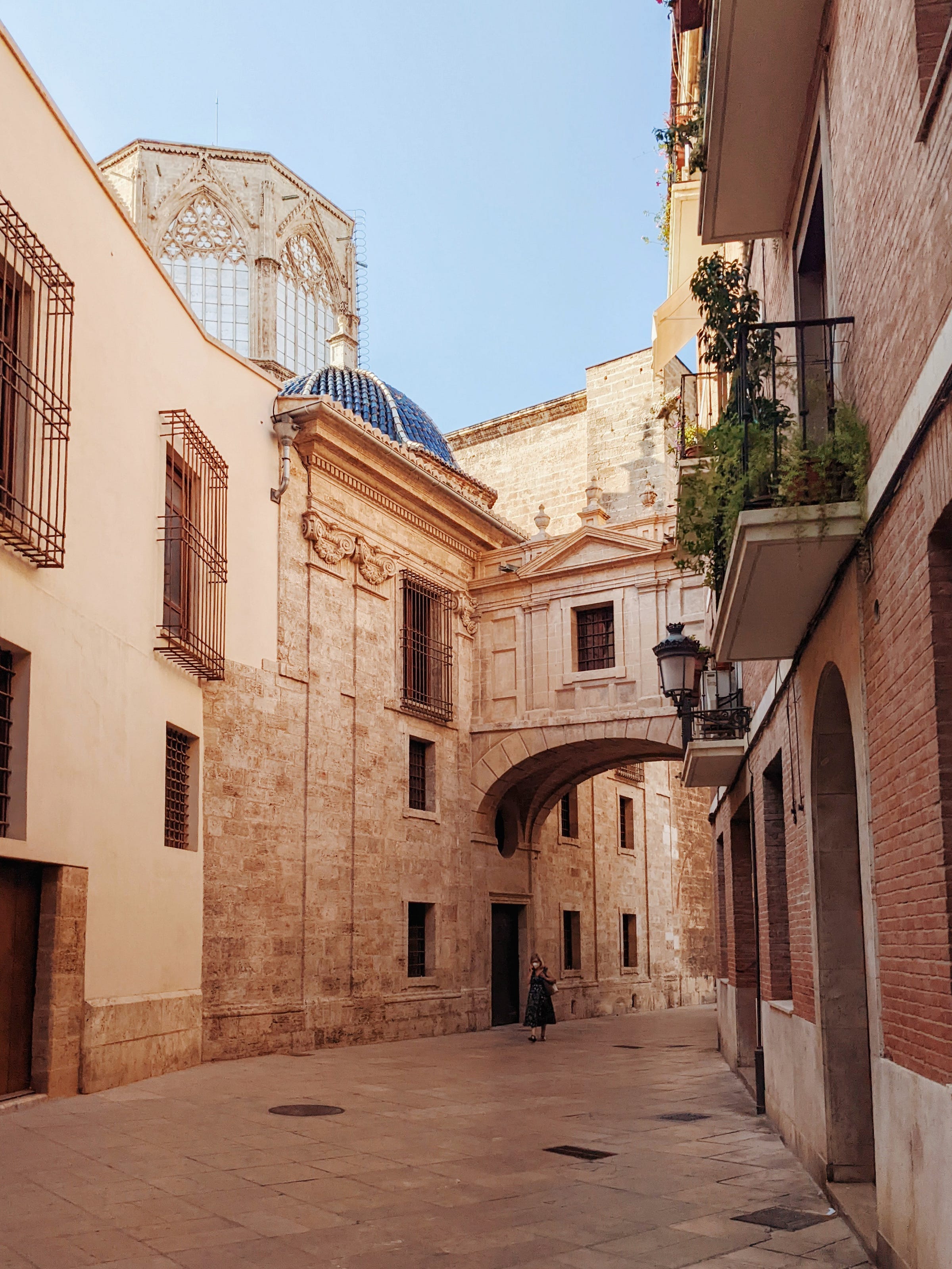
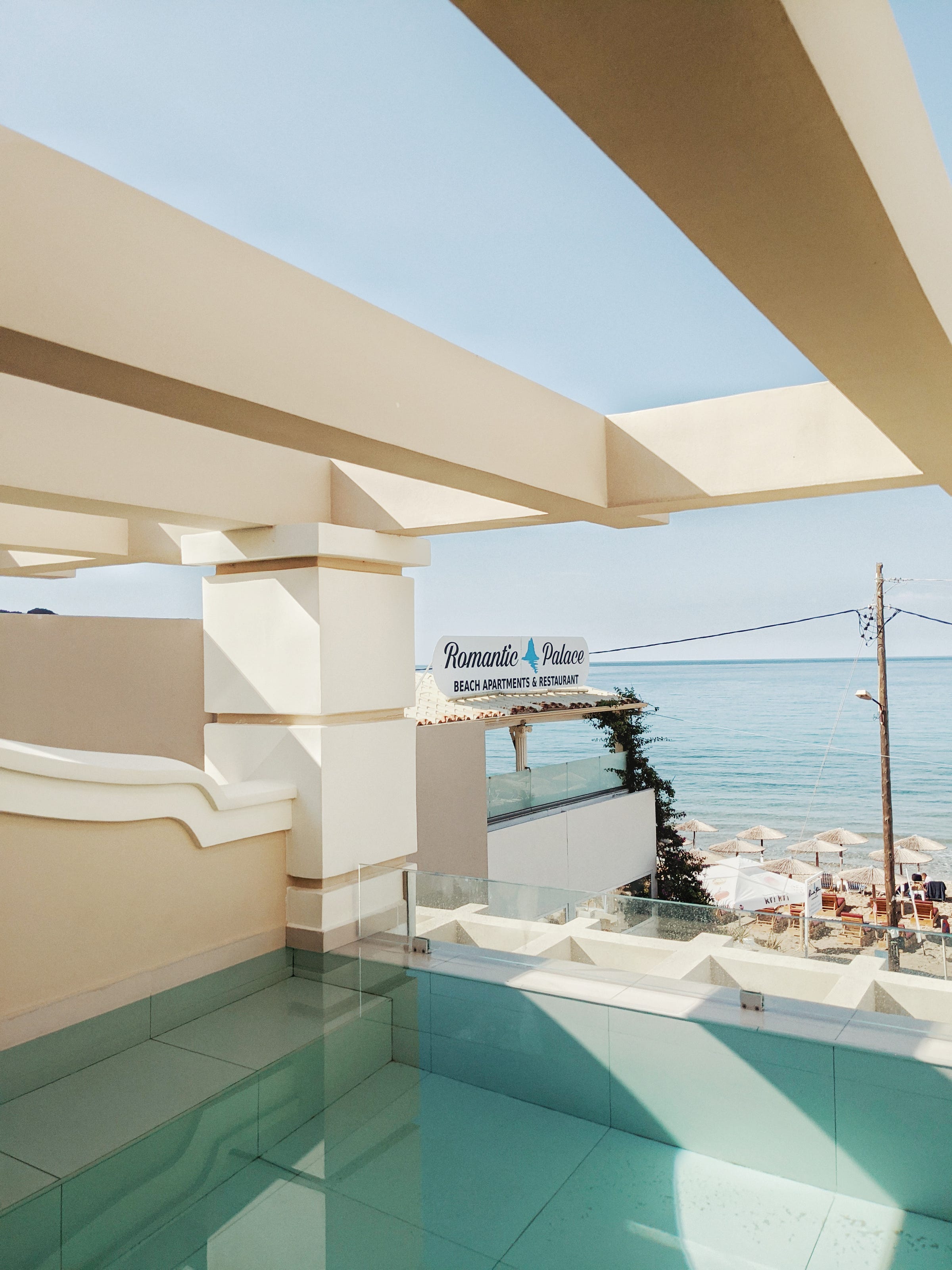
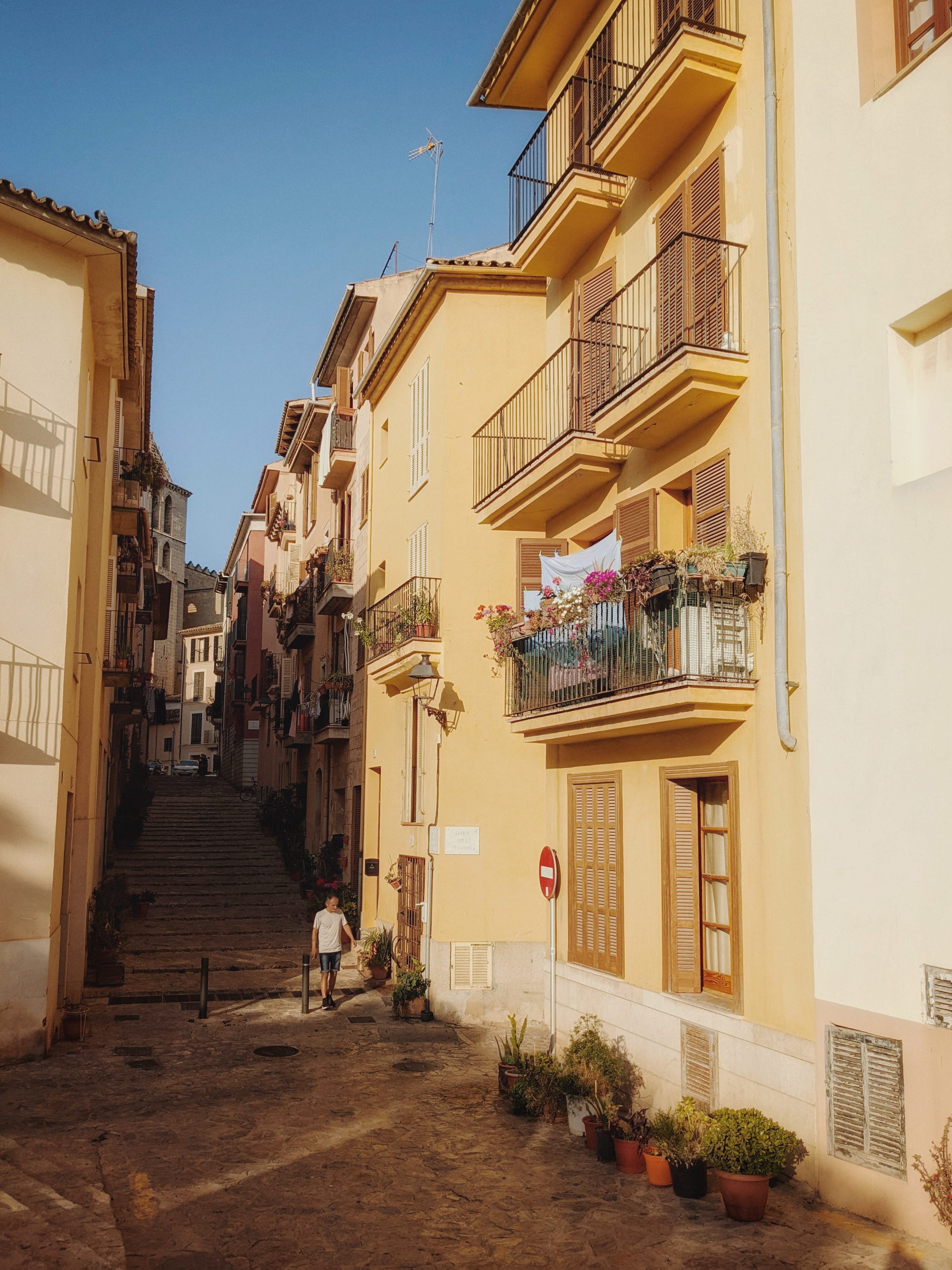
If you’re really after those fuzzy feeling ‘nostalgic’ and enviable photos of your travels, your prime photo taking times are going to be during your mornings before 11am and after your siestas around 4pm, then after dinner around 10pm (in the summers, at least — if your sunset is at 5, I wish ya the best, stay strong.) Once you know this, it can be a big relief to put your camera away for a while, and only prepare for photo opportunities when the light is at its best. For example, the photo above of Valencia was taken at 6pm, and the photo below of Greece was taken at 7am. Note the buttery-soft light in both.
Smaller Camera, Better Stories
There’s effectively nothing I regret in my life, but if I really had to find one, it’d be that I travelled with some laughably clunky cameras in my 20’s. I guess I had more energy? Over the past several years, which have been really travel-focused, I’ve cut down from a two or sometimes three camera set up (what was I thinking), to one main camera and my phone. That’s very liberating!
While I have been traveling recently with a smaller film camera (the Leica M6) for some ‘serious’ work, I still treat it very much like a phone camera. It’s attached to my wrist and I point, focus, and click. You’re literally on vacation, why give yourself extra work using a complicated camera?
One of the best pieces of advice I’ve ever gotten was that the best tool is the one you’ll actually use. I heard it from my older brother when I had asked him wether I should buy the bike I loved instead of the bike that was in my budget, and boy am I glad for that phone call. I loved the heck out of that bike for 10 years, and took it on so many fulfilling adventures. The advice absolutely applies to cameras too — you likely use your phone camera every day, and it’s so easy and convient to edit your photos with an app, upload them to Instagram, or send them over text to your pals right away. Learn to use it really well, and it’ll reward you with some really joyful results.
Find A Better Use for Landmarks
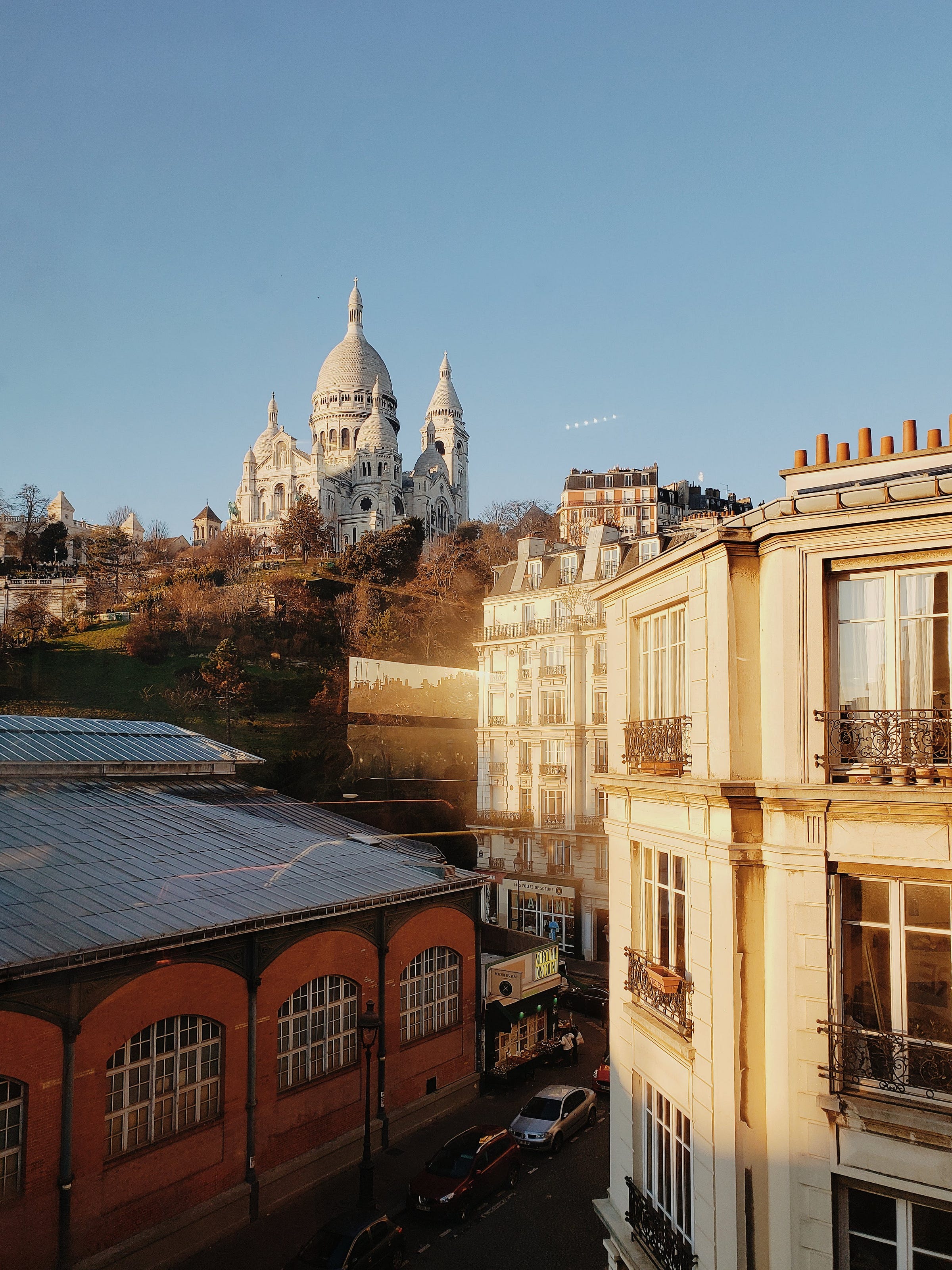
If you happen to be somewhere with a well-known landmark, it’s often unsatisfactory to just snap the same photo you’ve seen on Google Maps, alongside every other dad in a baseball hat with their 2007 Canon PowerShot pointed in the general direction of something famous. If you have enough time, get creative with how you’re approaching the view, and incorporate your own ideas into how you’d like to remember the experience.
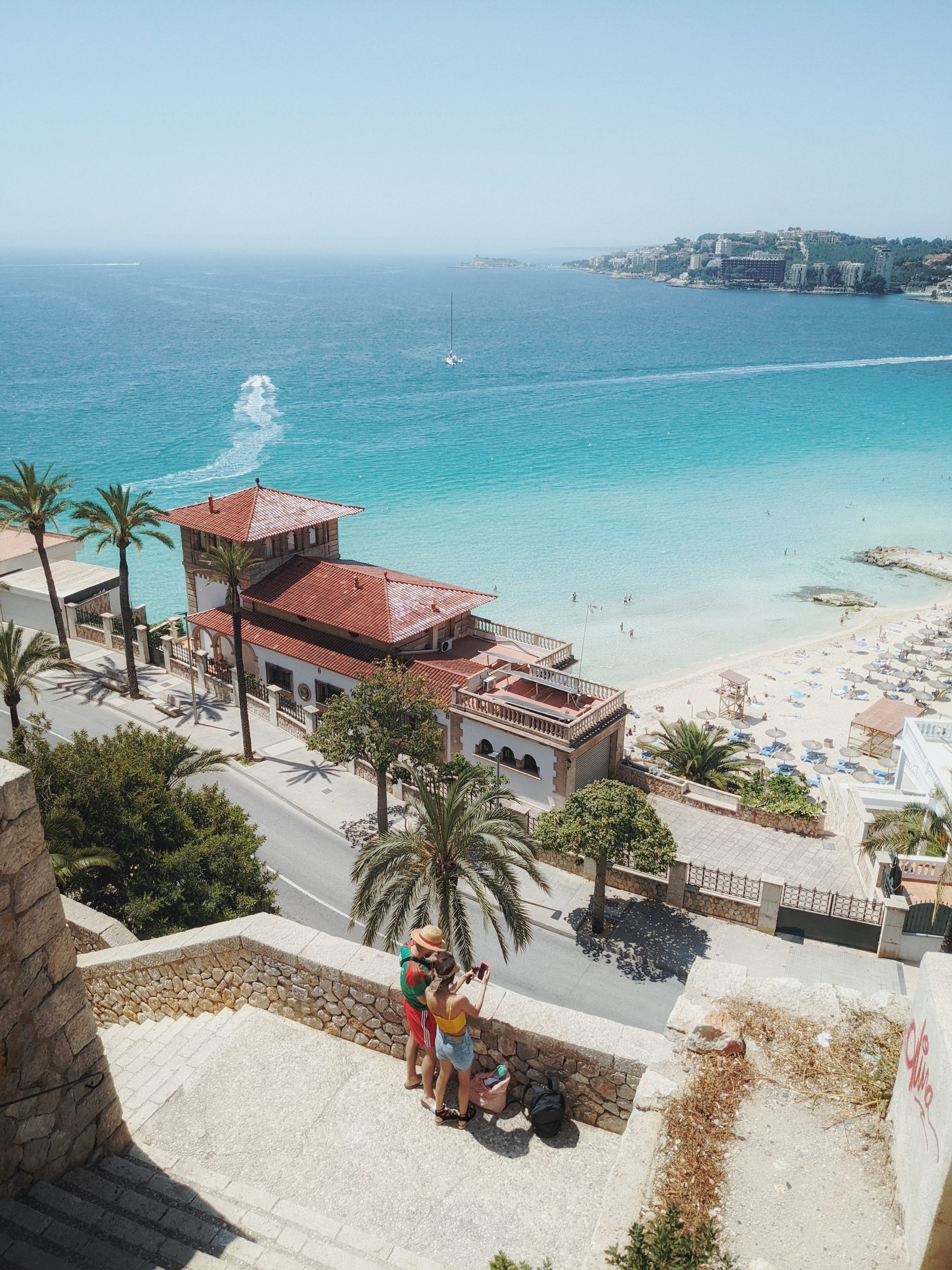
A general approach I like to take is to play with the placement of the landmark within the photo, so there’s more of a story about the area. Getting much closer, (or really far away) can add interesting context that’s rarely uncovered. These are the chances to stand out and bring new ideas to a familiar topic, building your creative muscles to see the things that others aren’t seeing.
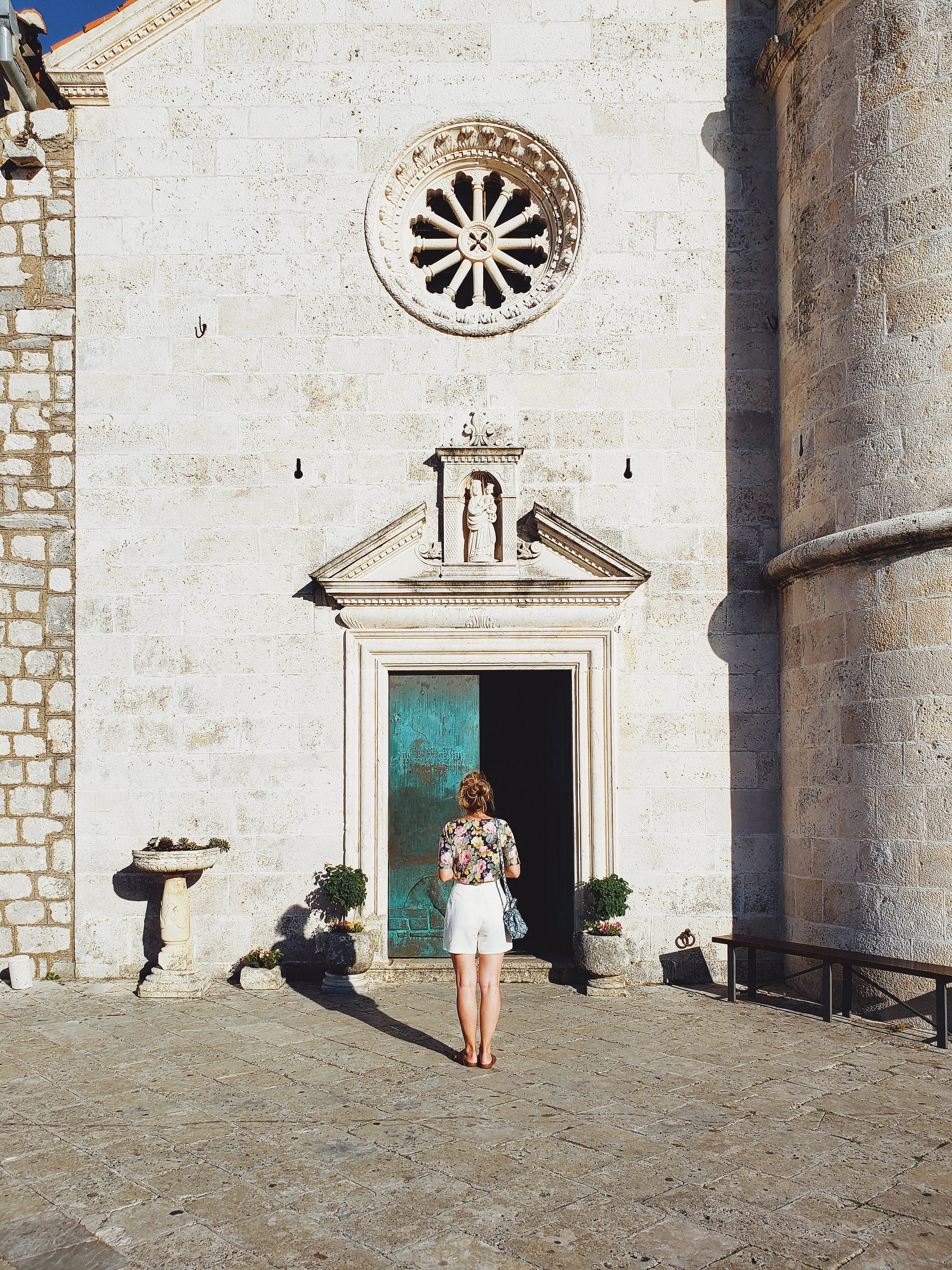
The most important idea to keep in mind is that whomever you’re going to be sharing your photos with is probably more interested in how you saw the places you’ve been, and less so about the places themselves. We tend to care about each other, not the heaps of rocks and metal we might have seen.
Keep in touch! ✌️