Hi Everyone!
In this post, I want to look at Contrast; an integral part of image making that I think I’ve historically been very weak at using. I’ve been trying to improve my understanding of balancing dark and light. I’ll share some of those lessons, and show some prime examples from other photographers I admire.
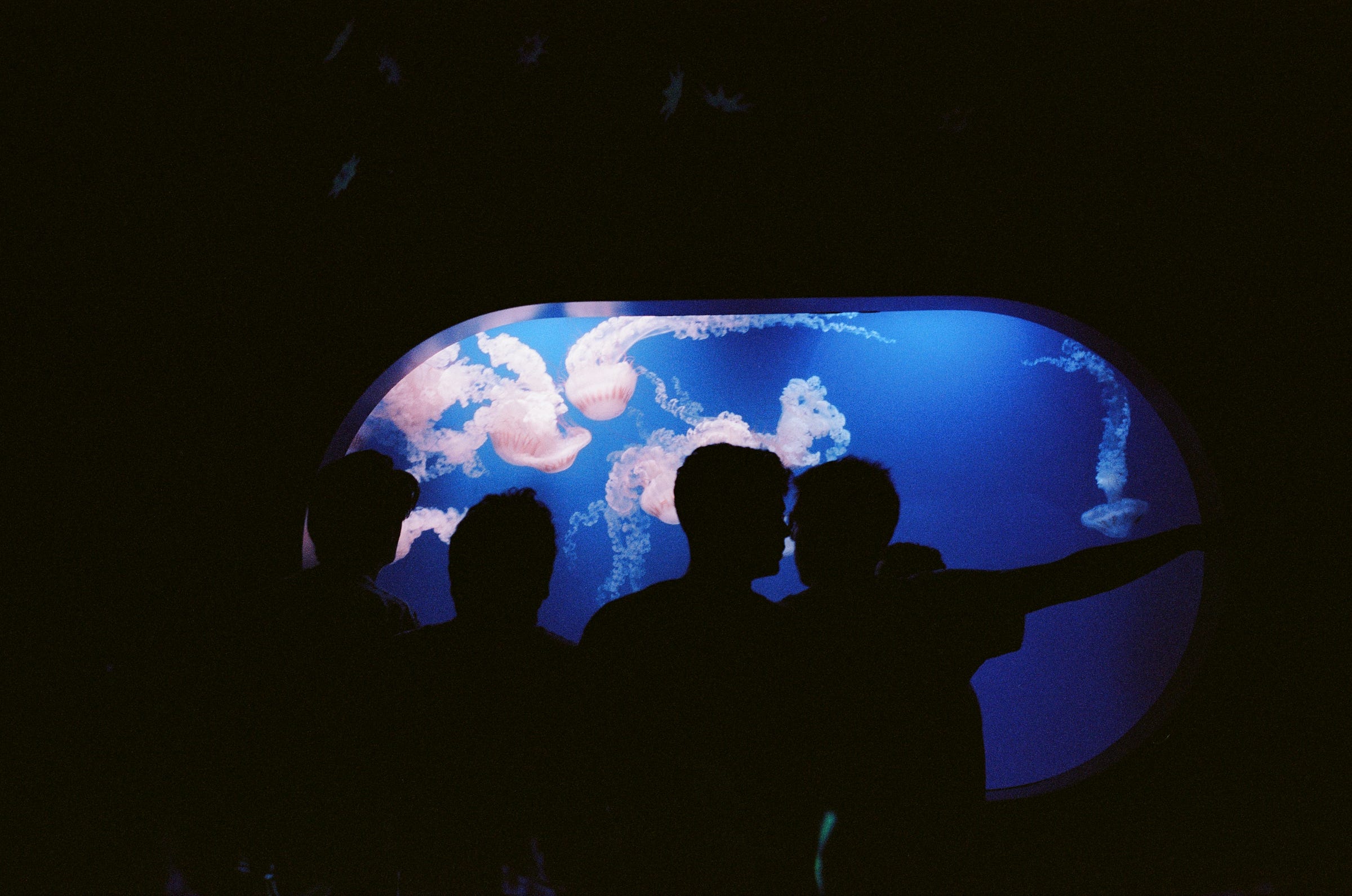
Contrast as a Story Element
One of the current working photographers that I feel like I learn the most from is the photojournalist Sinna Nasseri, who photographs compelling stories (stunningly) for The New York Times, Vogue, and GQ. I’d be hard-pressed to find the quote again, but I think I’m right in paraphrasing him as having once said that the trend of crushing the highlights of an image and lifting the shadows is a boring practice, uninteresting in it’s sameness.
It’s been a very common, instagram-friendly editing style for several years because it produces a lighter and more airy vibe, easy for quick shares from busy people — and we’re all vulnerable to using it. What’s much more difficult is showing reality as it often is; a confusing mix of dark and light, imperfect and hard to decipher, but rewarding when we exert the effort to do so.
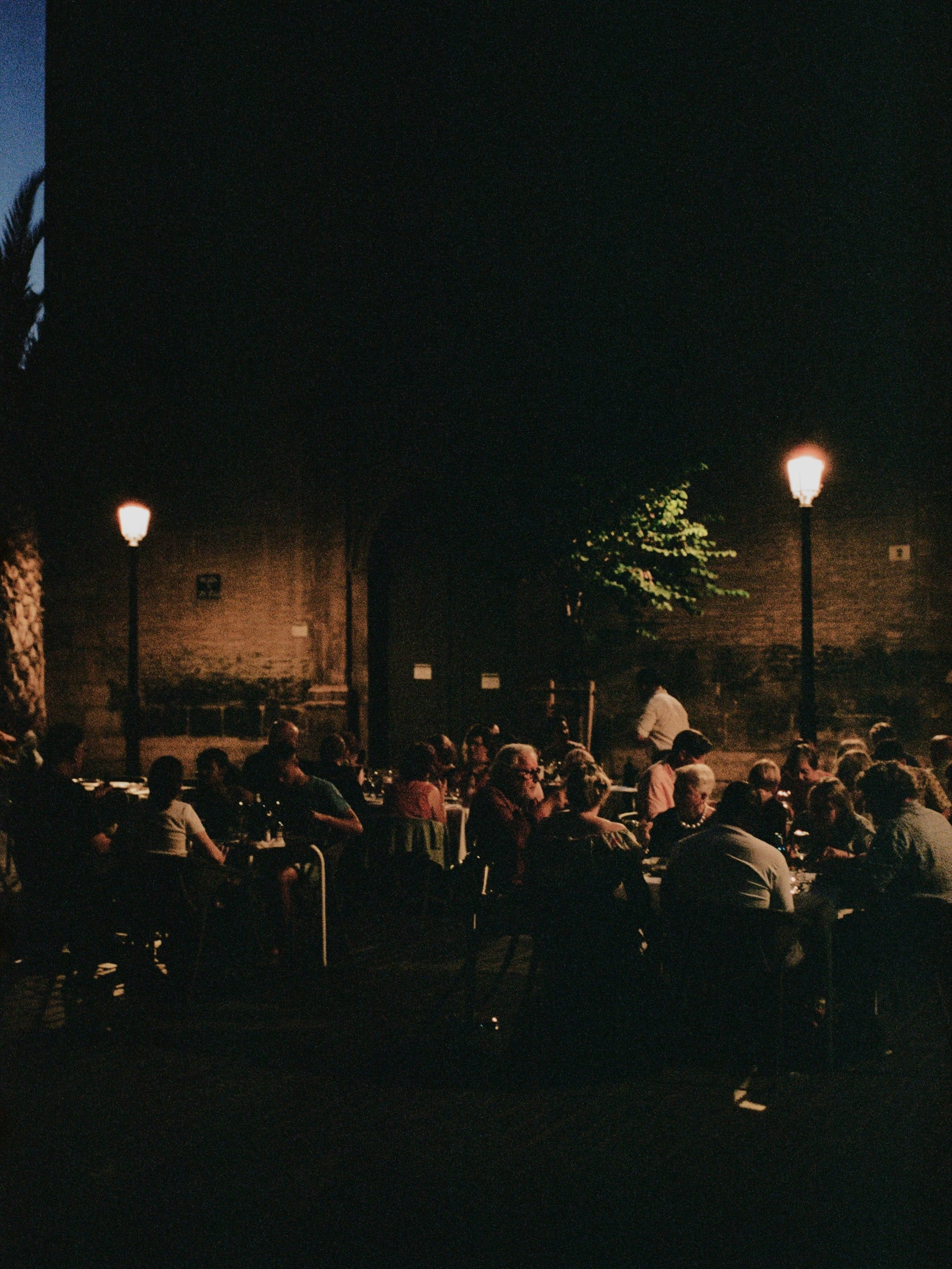
The following image stopped me in my tracks when I first came across it. Massive dark areas swirl menacingly towards a dramatic sky, hiding within them a shadowy figure that looms behind the subject, who in her clarity seems peaceful in comparison to the rest of the frame.
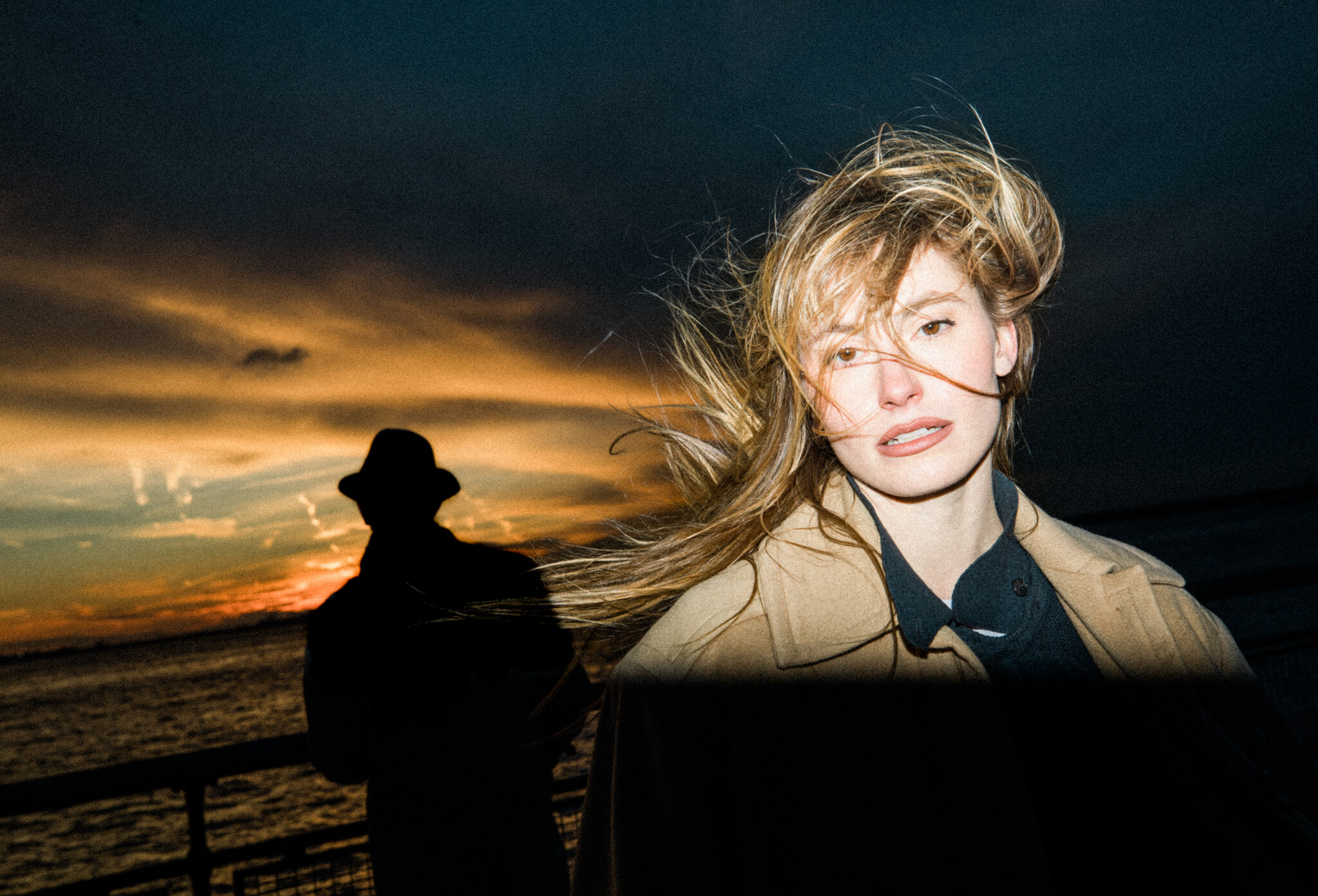
I’ve often thought about that portrait and other work from Sinna this past summer, which has been my most productive season ever. What I’ve allowed myself to do as a result is to use contrast as a means of emphasizing the narrative of my surroundings, instead of worrying about what a ‘proper’ exposure might’ve been for the dark areas.
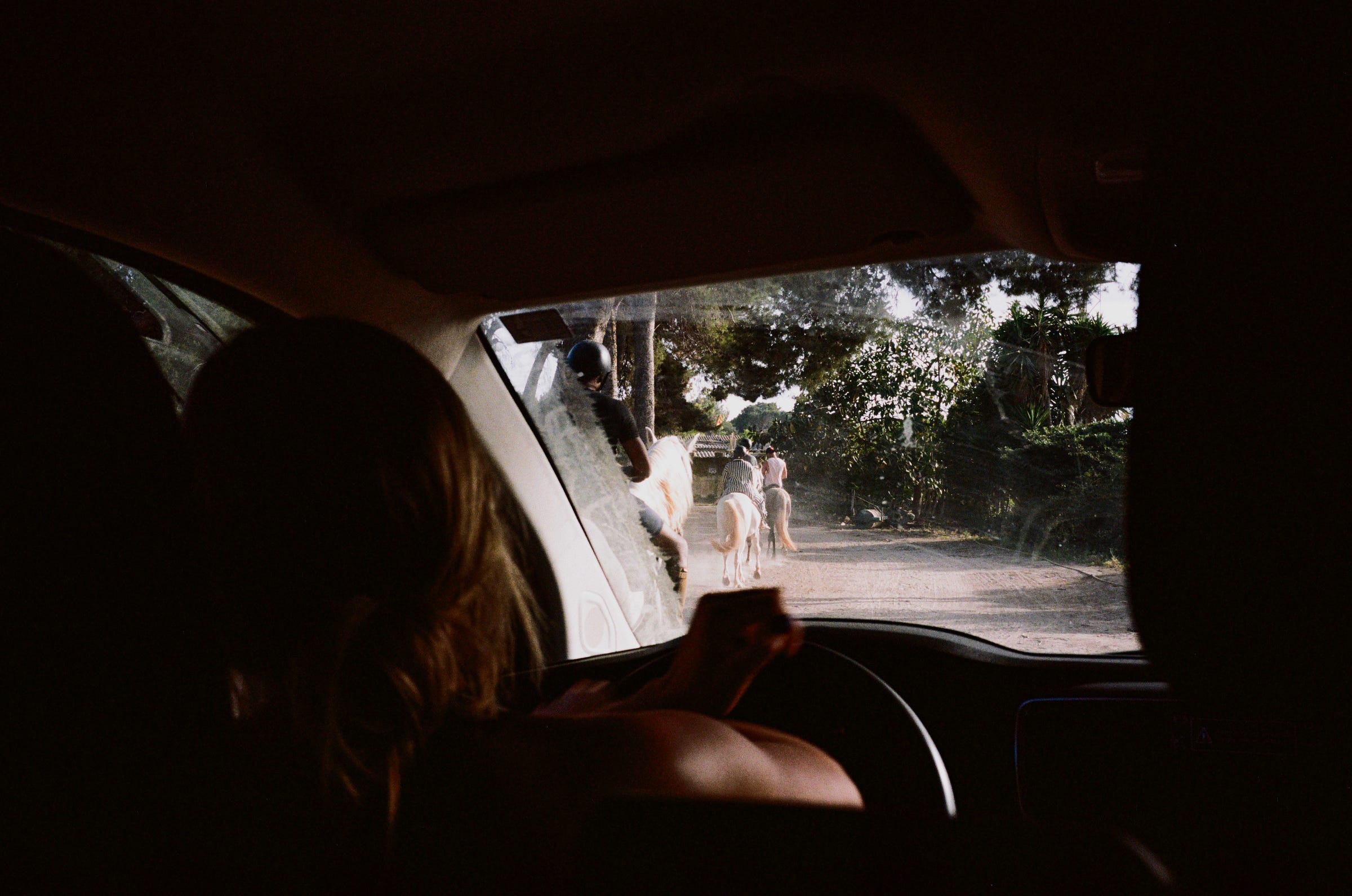
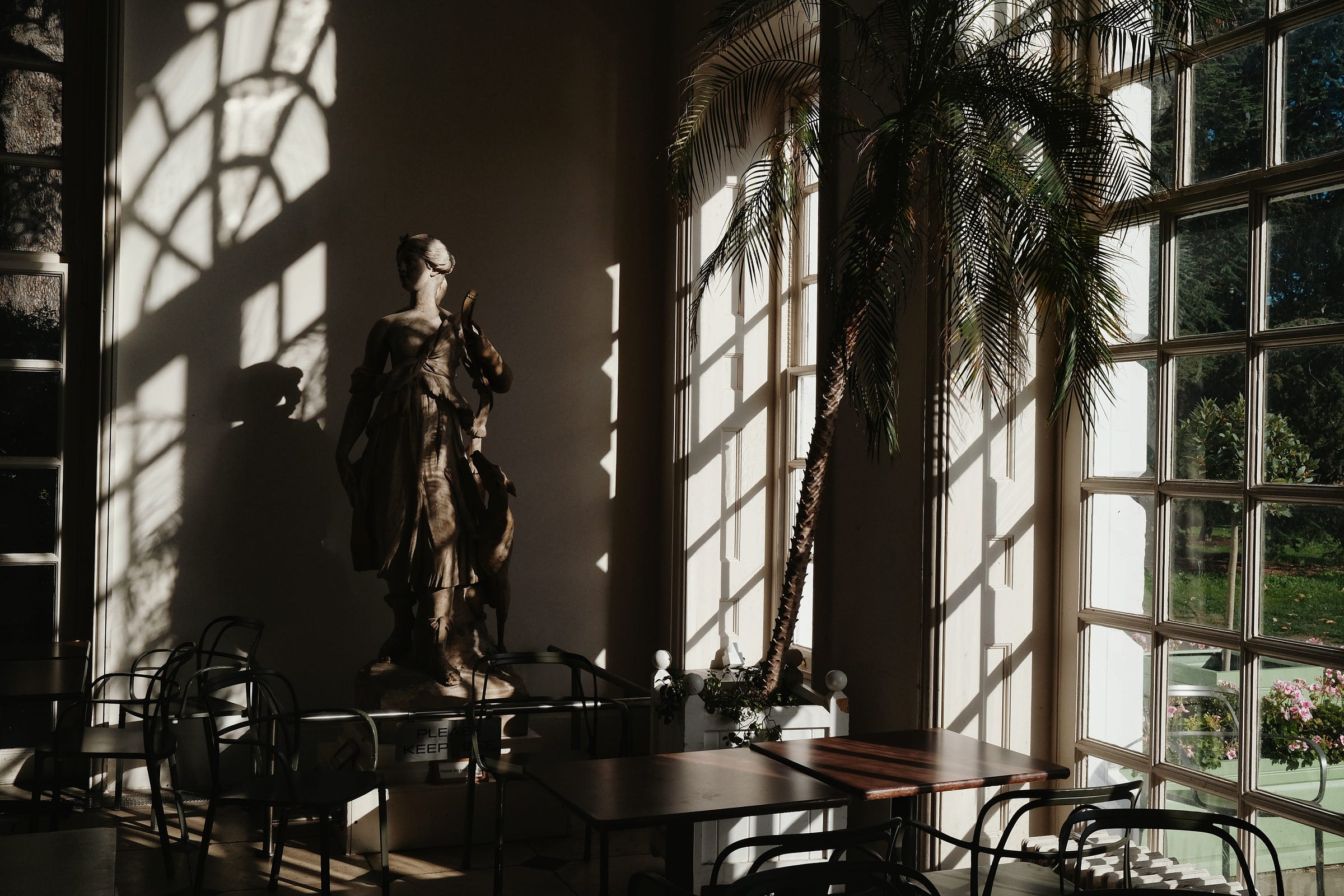
The creative freedom to accept that my image will have little to no digital information in the dark areas has resulted in a truthful beauty that I wouldn’t have found otherwise. We the viewer fill in the contextual information that the camera can’t see.
Contrast as a Dramatic Element
As part of my photography degree, I was forced to shoot exclusively with Black and White film for an entire year for all my course work. I was far too young, too new in my photography practice (aka busy playing Halo), to turn that limitation into a proper learning experience. I ended up resenting that monochrome lacked the kind of visual interest I was seeking from my work.
I’ve been revisiting monochrome recently however, partially thanks to soaring colour film prices, but also because of my renewed interest in studying the 20th century photographers who defined street photography. One of those masters is the late William Klein, whose uncompromising approach to the medium produced some of the most impactful images of his generation. One my favourite of his pieces changed the way I think about Black and White — not as a lack of colour, but as a dramatic interplay between the two primal, endless entities.
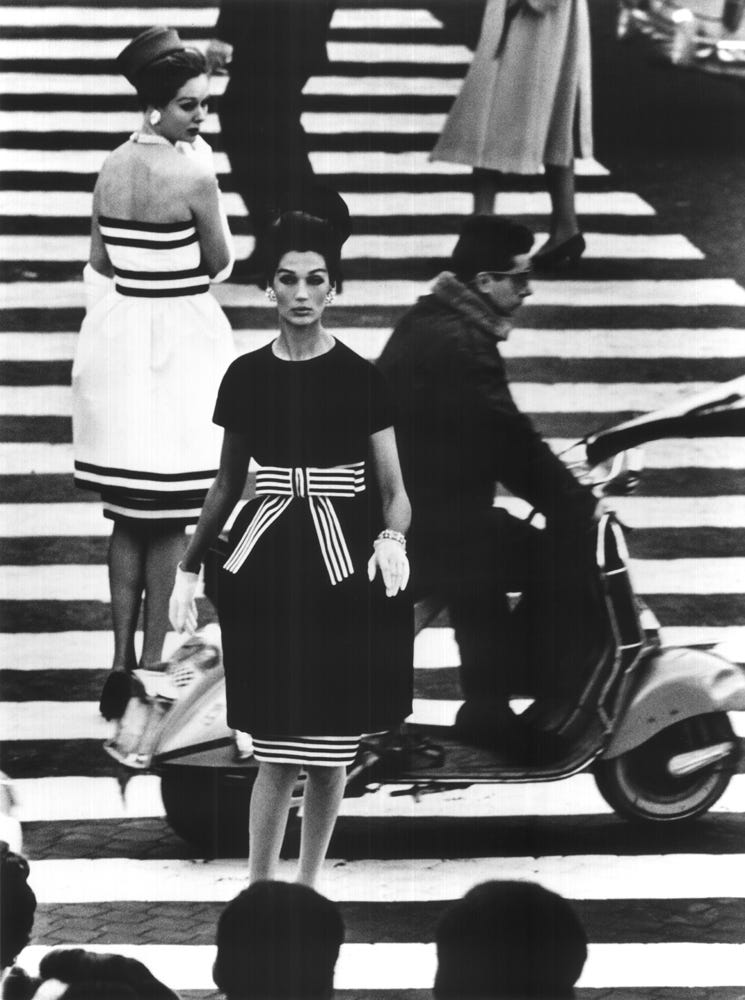
What I think is striking of Klein’s fashion work in particular is the notable lack of greys in his work — there’s no muddying the waters here. You’re getting black, or you’re getting white, it’s a two-item menu. When I have shot a few rolls of HP5 these past few months, that’s the kind of mindset I tried to embody when looking for a scene. I wanted to find the kind of drama that he was somehow able to control at will. I genuinely believe at this point that monochrome photography is a much less approachable format than any other, and that a lifetime of practice isn’t enough to reach the kinds of heights that the legends of the medium like Diane Arbus, Ansel Adams, Robert Frank, or Lisette Model achieved. They saw a more dramatic world than we do, and I’m thankful to learn from it.
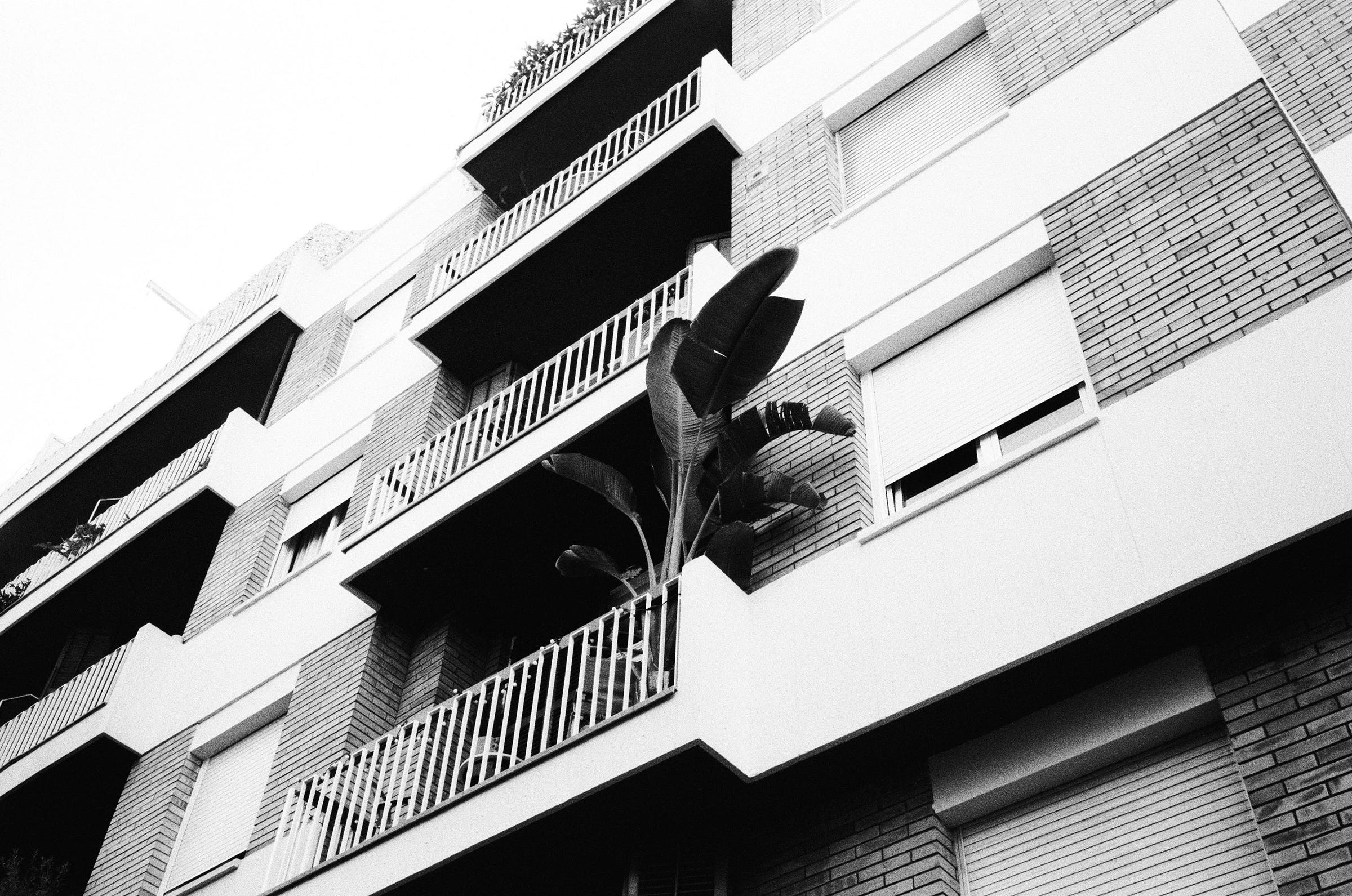
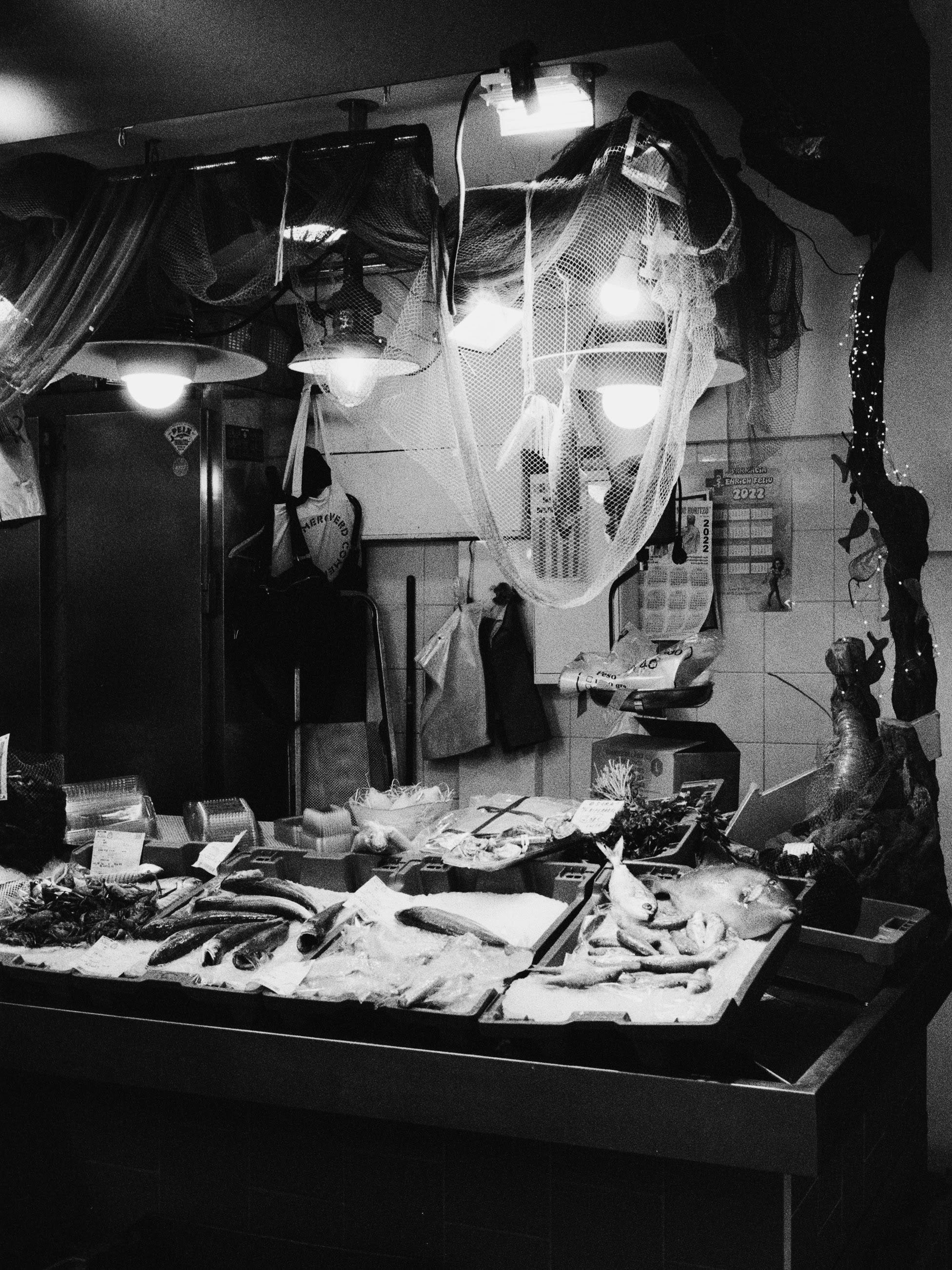
What is think is fascinating about pushing the contrast of Black and White to the extremes like Klein did is that it brings out a deep reverence for forms and textures that I believe colour interrupts. (In photography anyway. Don’t fight me, cubist and modernist art fans.) Somewhere in our distant past, before we evolved colour receptors in our eyes, I’m sure we could make out basic shapes, and shadow and light detection — it’s this deeply subconscious interpretation of our surroundings that I think deep contrasty images can unlock. How’s that for an artist’s statement? (I do not enjoy artist’s statements).
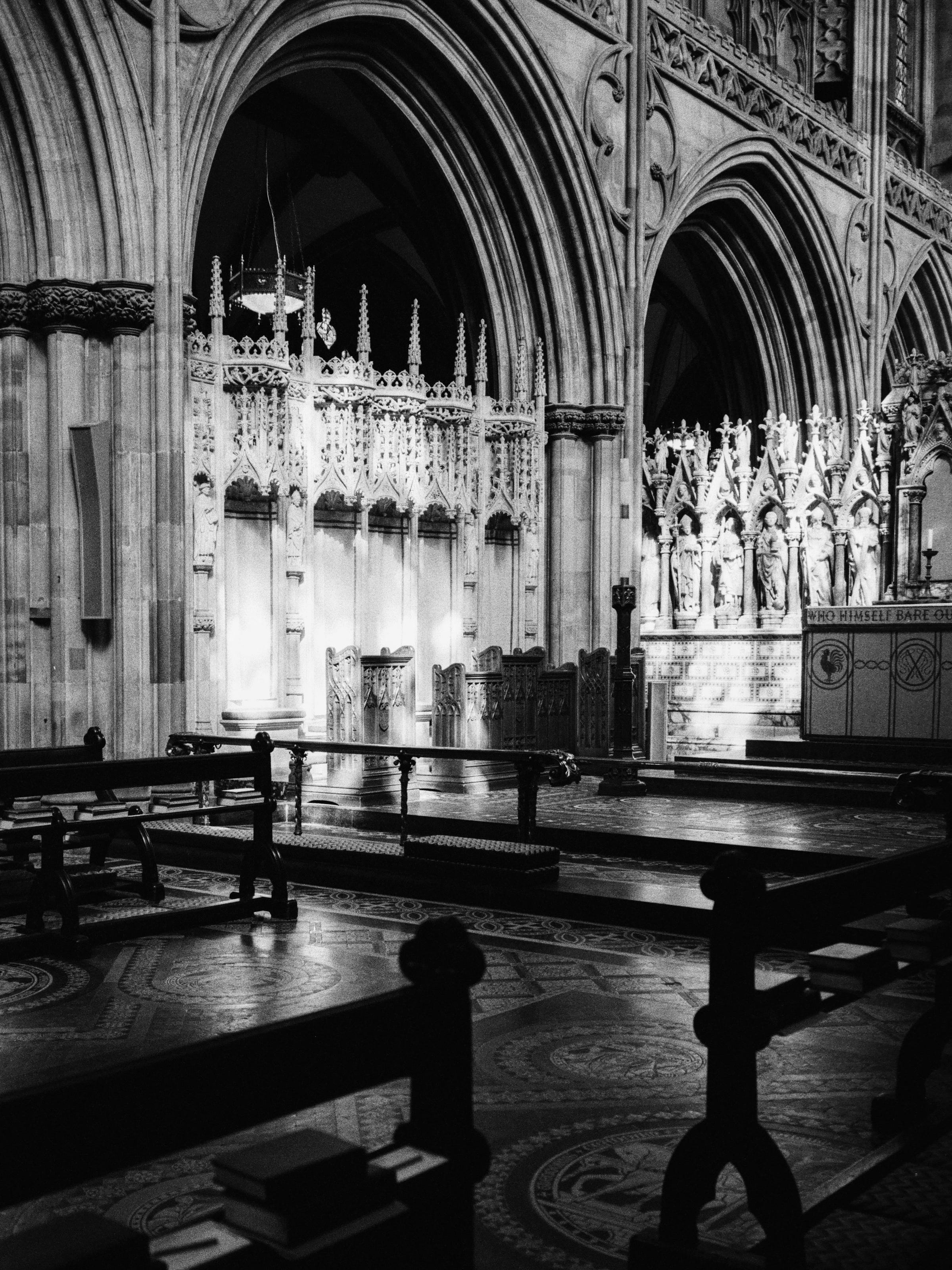
I hope you’re having a great autumn! ✌️