Hey friends 👋 It’s been too long. I have some things to say about output, inspiration, and what happens when we’re not here anymore. Through sitting down to write this, I’m hoping that some disparate topics will blend together into one nice, cohesive perception. At the very least, we’ll all have a good time following a loose maze-like train of thought, whatever’s at the end. It’s the journey!
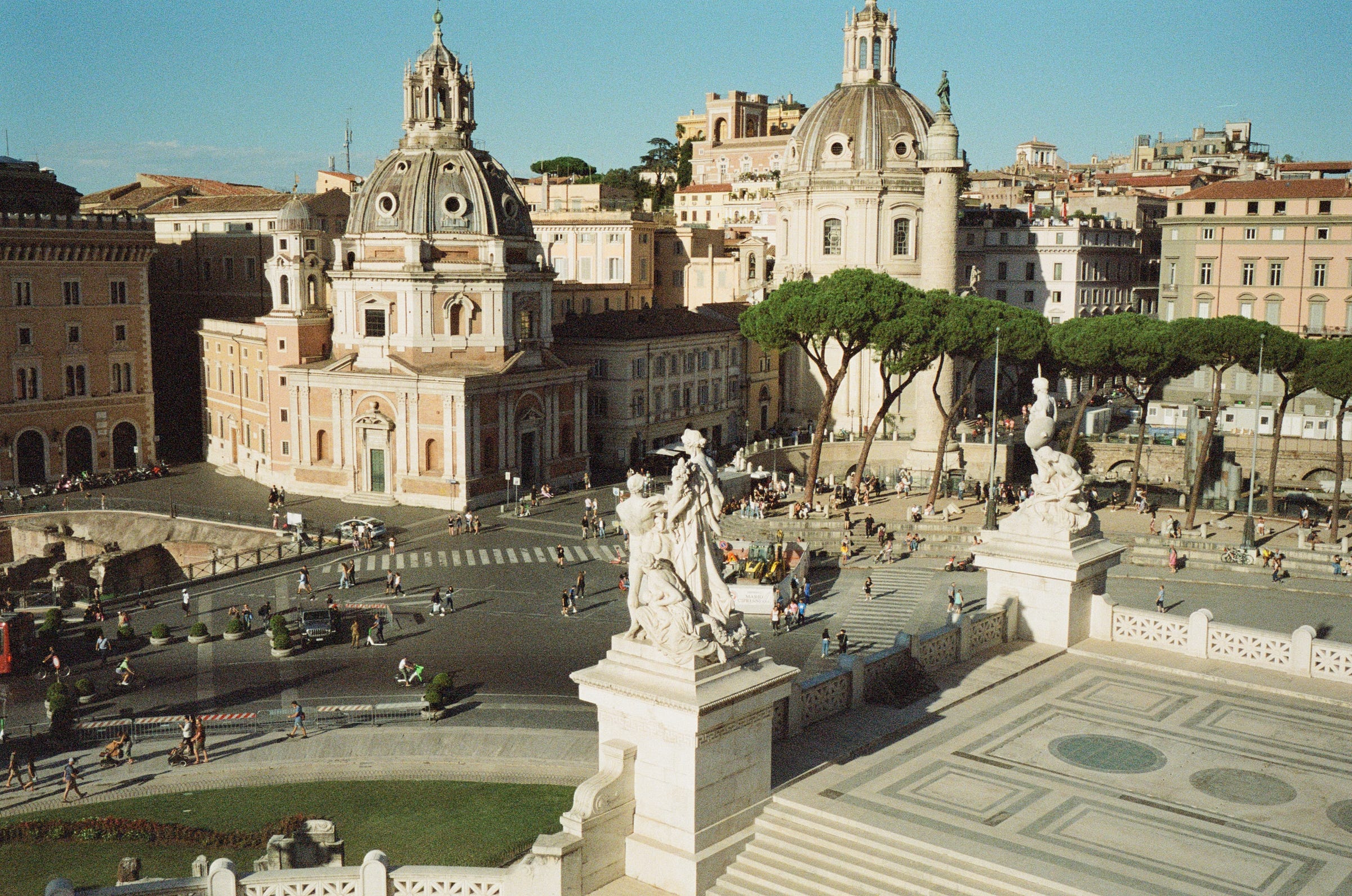
Second Death
Very recently, I started to re-listen to a lot of old stories that were a big part of my childhood. They’re just a piece of a variety show that was called ‘The Vinyl Cafe’ by Stuart McLean, which is maybe the most banal part of it’s many details. On the surface it’s little vignettes about a fictional town, while underneath they are incredibly well written pieces, which are captivatingly recited by a storyteller at the top of his craft. Maybe most importantly - they’re so beautiful. There’s a chance that I knew that fact as a kid, but of course the things that resonated back then, when you’re small, are only louder now when they hit your more complete form. The stories are so stunning because they are so human; that is to say, both silly and serious, complex and full of misunderstood emotions.
There was a piece of a story that swept around and through me so unexpectedly last week while I was walking through Hamburg, a place that’s only loosely in my memory like a charcoal impression rubbed onto tracing paper. The main character found a tangible object from one of his boyhood summers, which prompted an unraveling of a loosely woven narrative from his past, only to find out that no one quite cares about his hometown’s history as much as he does. Towards the closing moments Stuart, our storyteller, says:
You can’t choose who’s going to guard your history. … what’s left is this: there was a summer, long ago. … it really happened. And it must have mattered.
My throat closed up a little bit, and I spent the rest of the walk laughing about how I’ll remember this as the time I almost cried in public while eating a pretzel.
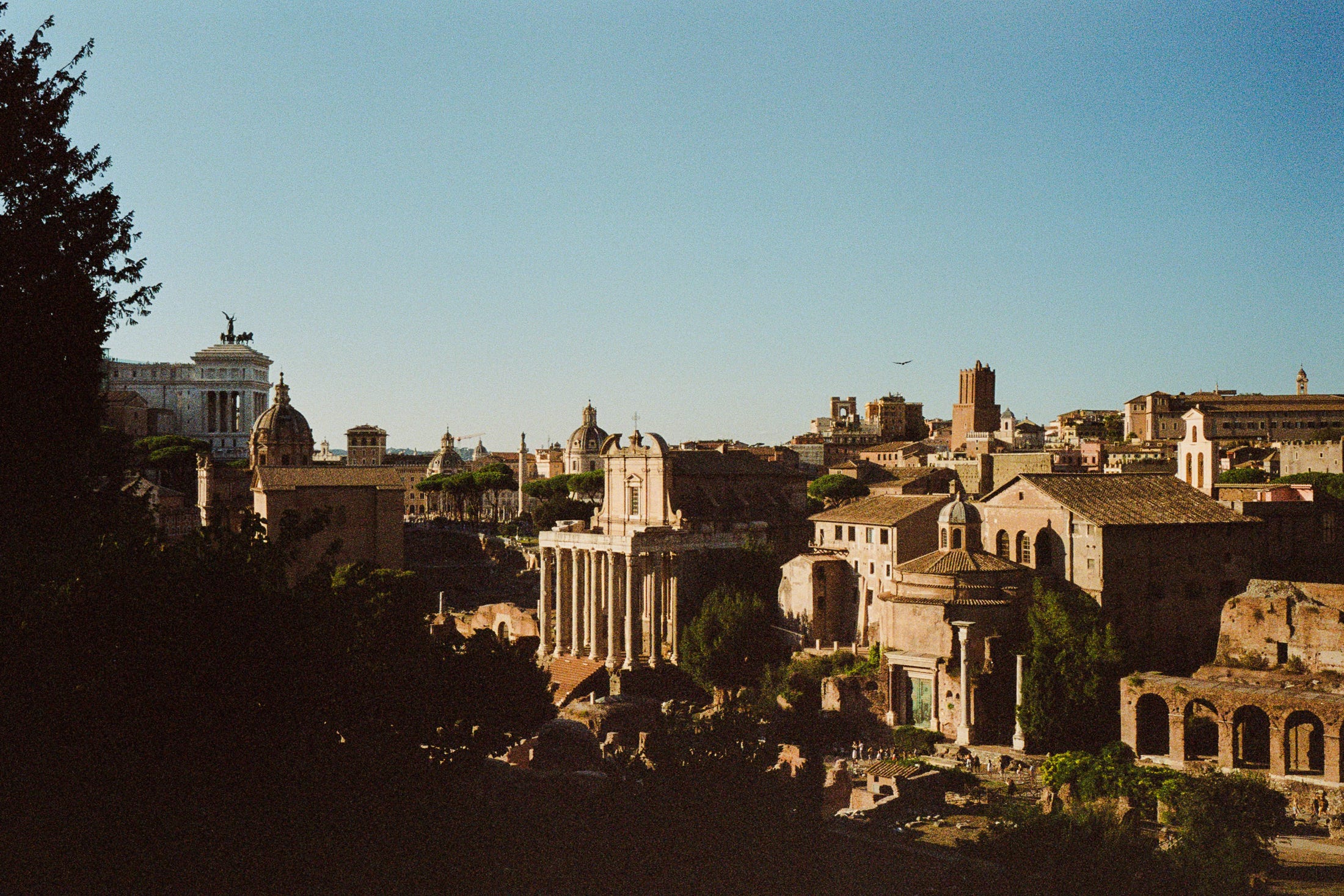
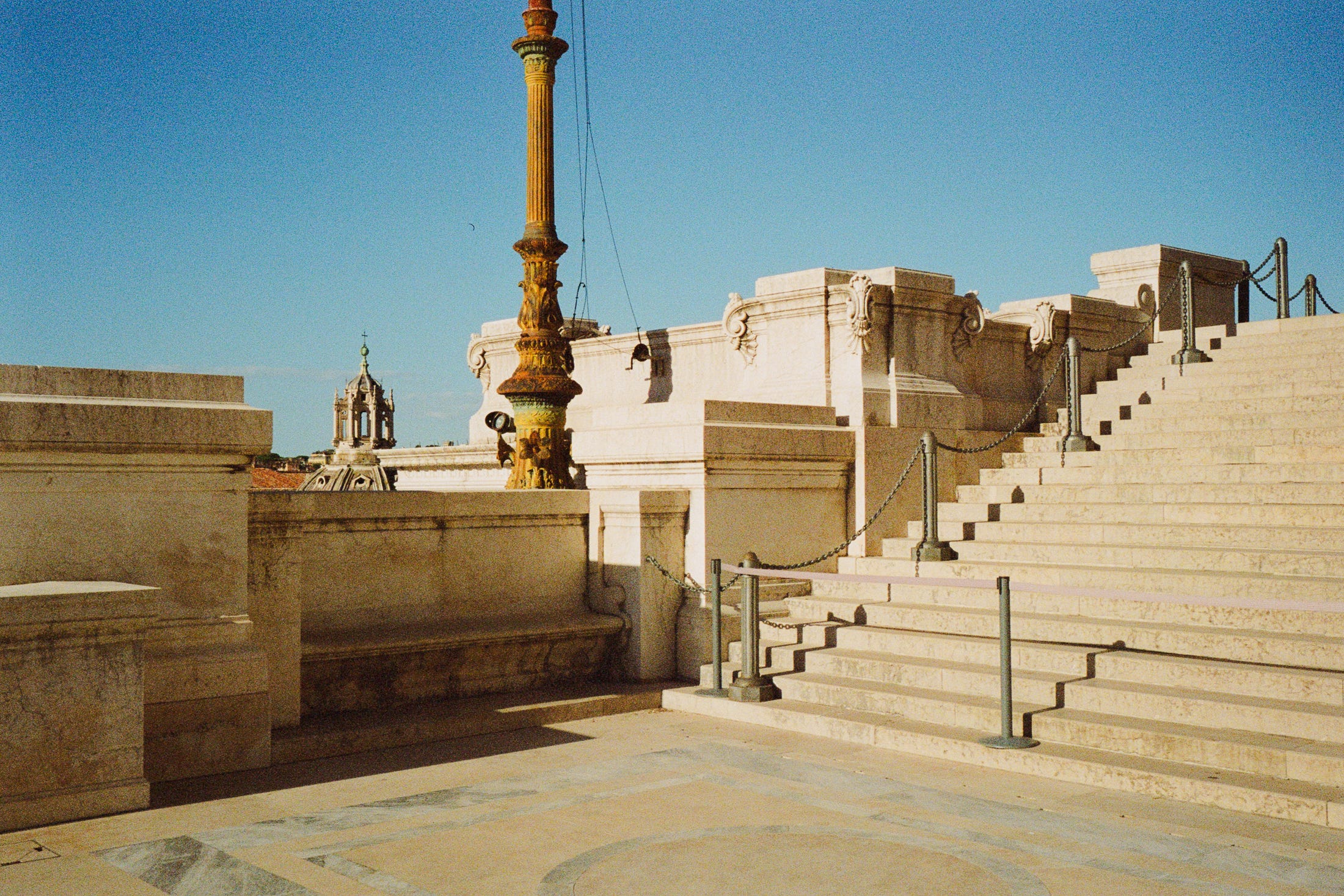
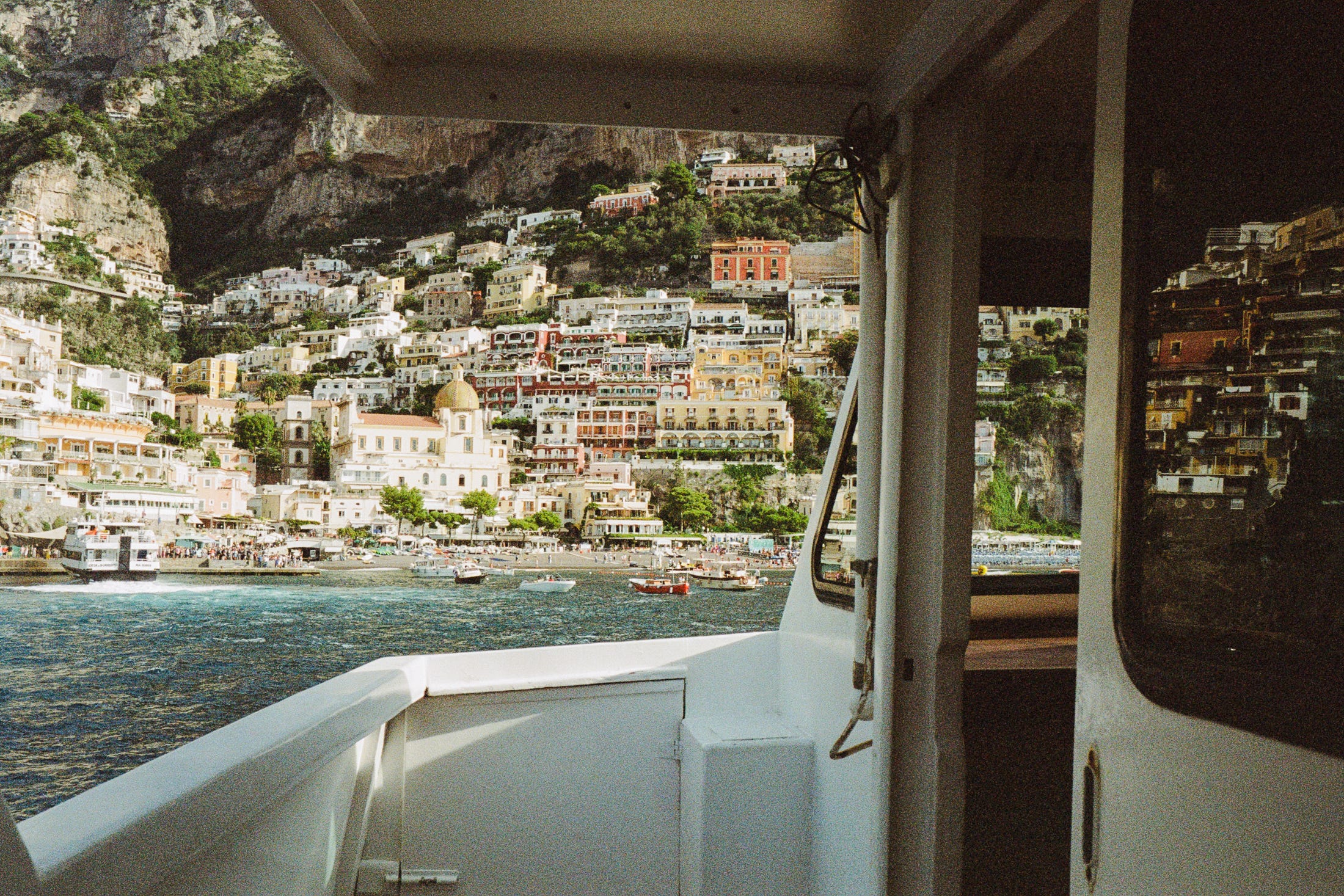
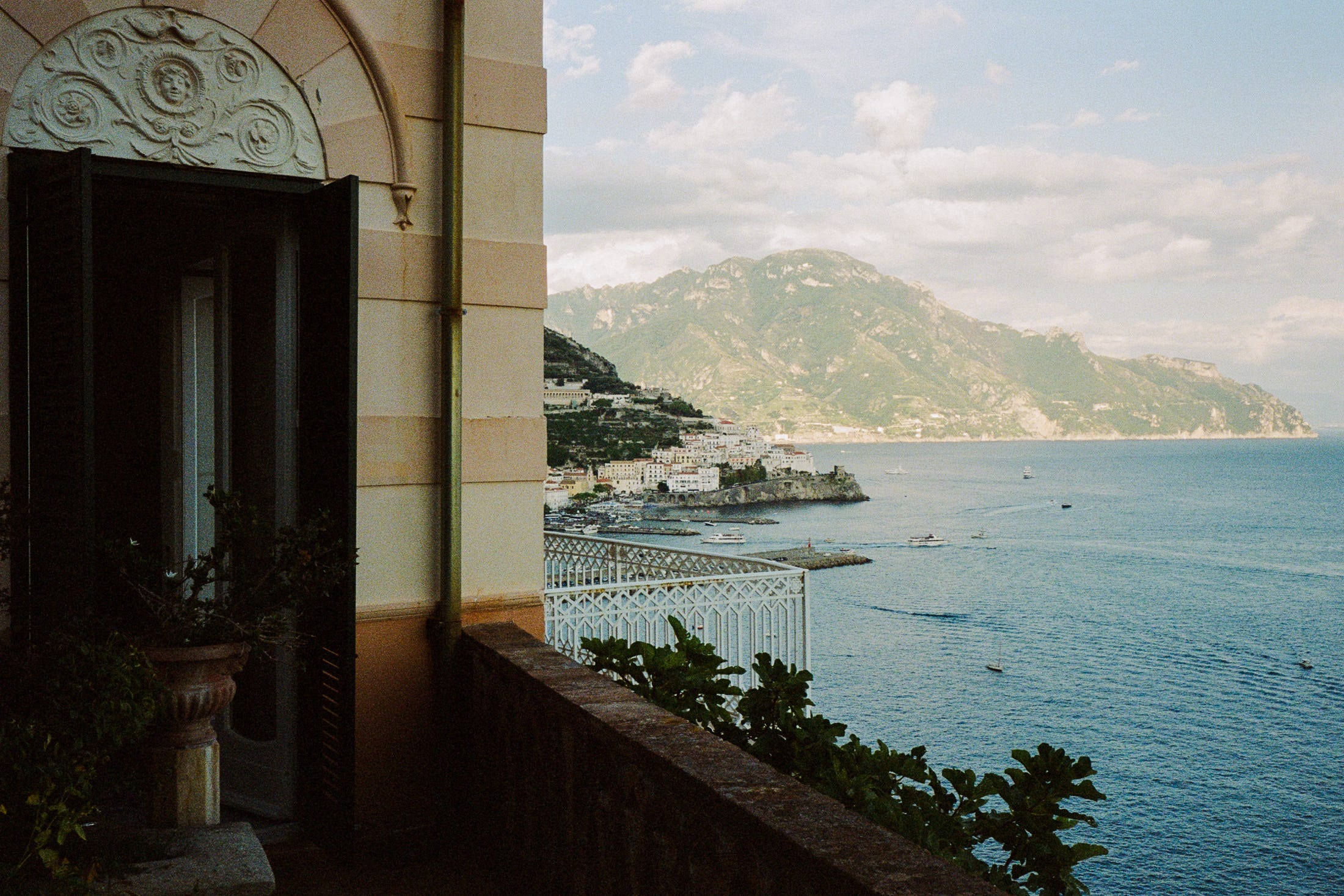
One core reason as to why I insist on photographing life is because I am terrified of the ‘second’ death. The one that happens when someone says your name for the last ever time. Not to claim I’m super comfy with the first type of death mind you, but it’s the second one I think about most often.
While I’m cataloging my negatives, I’ll often think fondly about some obscure future researcher in the year 3024 with a pile of ancient material, and they’ve stumbled across my collection - noted with film stock and dates, sequentially organised, with attached roll notes documenting the day’s process. “What a nice thing I’m doing for them”. A kind of ‘preventative medicine’ to delay the second death. They’ll tell their pals over their lunch of robotically grown space food about the care that must’ve gone into maintaining such a consistent practice over a lifetime, and about how excited they are to uncover the stories within the work.
Making someone’s day even though we’re generations apart. What I captured really happened, and it must’ve mattered. Maybe they’ll consider guarding it for me.
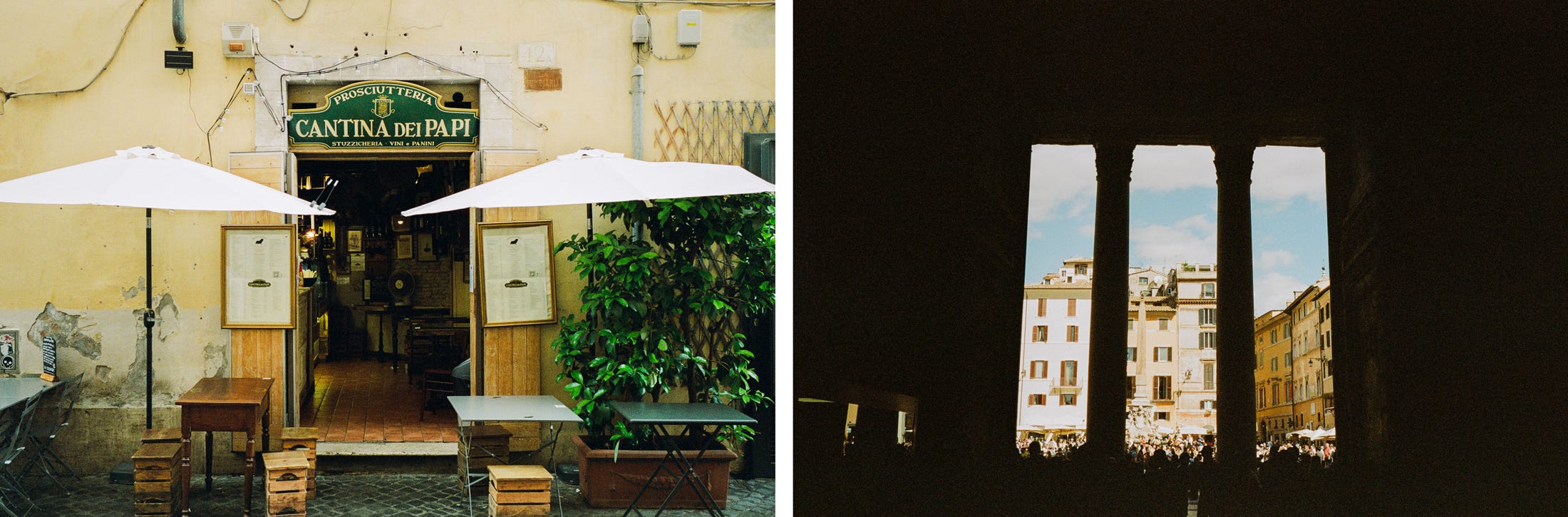
A few years ago, my local lab was about to destroy all of their un-retrieved negatives; hundreds of thousands of unknown frames of small personal histories. I offered to buy the lot of them, but understandably for privacy reasons, we couldn’t come to an agreement - they were all discarded. Afterwards, I tried to channel that misplaced energy into supporting larger collections like The Anonymous Project and The Rescued Film Project, two collections that are aiming to protect stories at risk of being lost to time.
Prioritising Output
During the same Hamburg trip the other week, I had the opportunity to attend a Rick Rubin interview where he largely discussed his book ‘The Creative Act’. He explained how important it is to get comfortable with output - developing a cadence of essentially ‘catch and release’ for creative projects and ideas. Not everything needs to be a final, grand product. Release your work, often and unapologetically. It was strangely reminiscent of an interview I read in Uniqlo Magazine in Tokyo with Daido Moriyama, one of my major inspirations. When asked what prompts him to take a photo, he says:
A person only needs to step outside to find themselves in wonderland. I can’t help but capture what I see. People can say whatever they want about the result, but I don’t care, I just take whatever speaks to me. This especially applies to snapshots. You can think about them later.
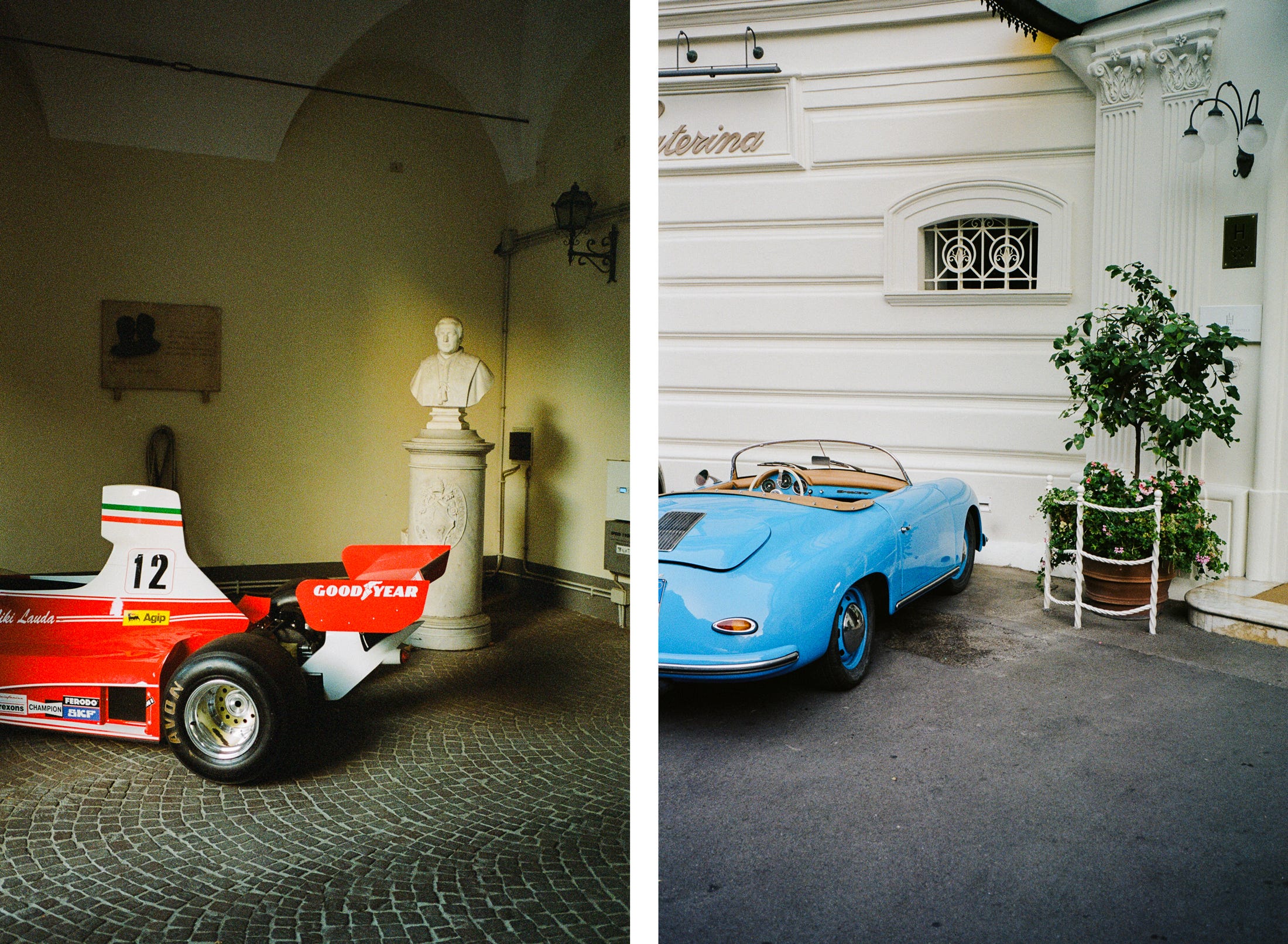
It was perfect timing to read those words, as I set off into Japan wide-eyed and overwhelmed with personal expectations of making photographs. Now that ‘later’ is here, with time to think while I’m cataloging my images from all throughout a whirlwind trip, I am so grateful that I captured whatever caught my interest. Full focus on output, not results. I caught the things that really happened, that really mattered.
One natural consequence of the focus on output is also that our unique voice gets heard, often and consistently. Rick told a short story about how someone played him an AI-generated song that used Jay-Z’s emulated voice, and it helped him to think about how he doesn’t listen to music to hear the quality of an artist’s voice, but to better understand the artist’s worldview.
Real work will never be replaced or erased by whatever future mediums might exist, even if they used the source material as generative input. It’s part of the reason I’ll never fully switch to a digital medium, because physical results will always outlast technological ones. What’s created solely by technology has no inherent opinion by it’s very nature, and points of view are what we’re drawn to as humans who are essentially just around for the singular purpose of improving the understanding of ourselves.
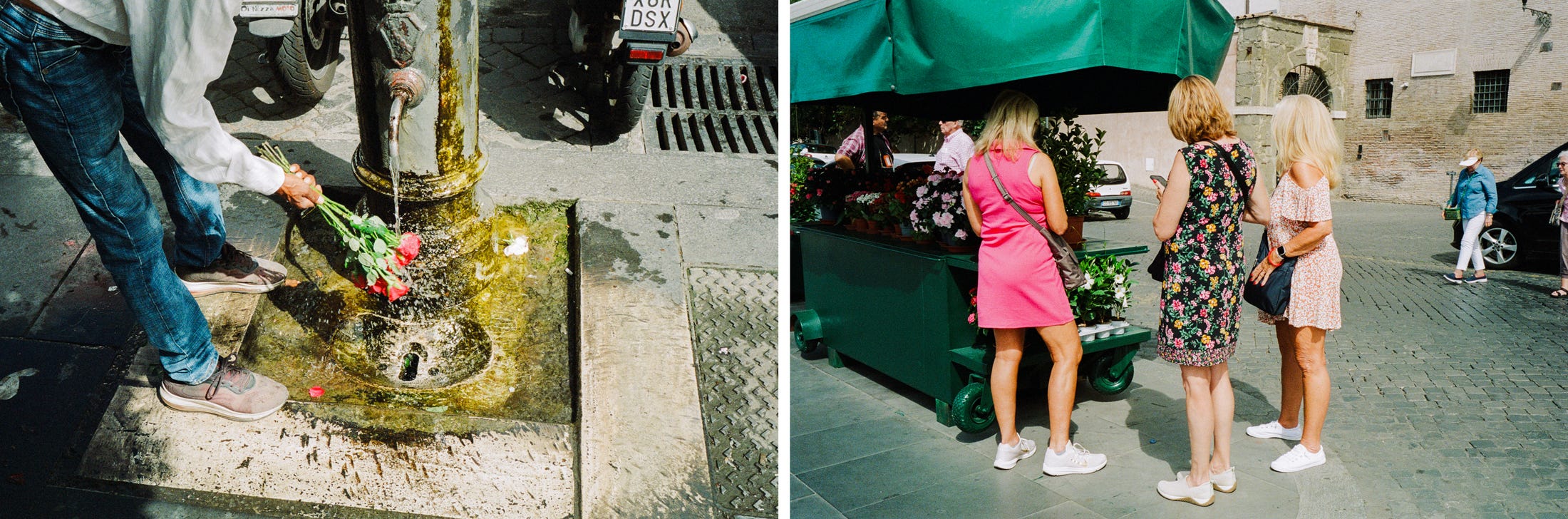
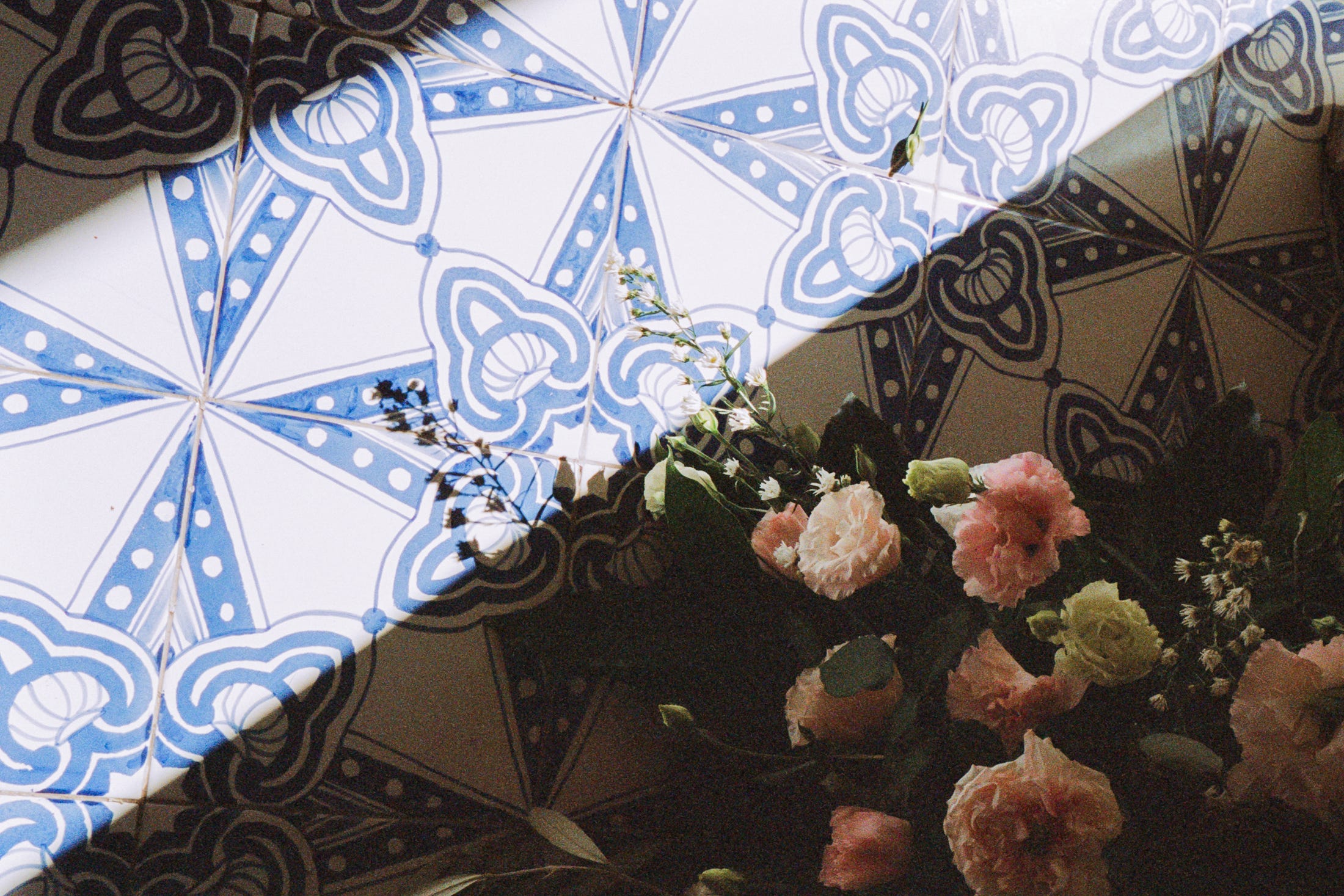
It’s your message that matters, the notes and memories you document that illustrate your life. The more that we output, the clearer our unique point of view becomes. For now or for later, so that the unchosen guards of our history might have a clearer picture of what mattered to us.
Editor’s Note: I’ve got two projects planned for 2024, which means it’s time to speak more about the zines I have available from 2023 at zine.mackiec.xyz. I’ve combined two books into one bundle for just £18! That’s not much. I’d be thrilled if you’d consider helping fund my next projects. Thanks so much.